Quick answer
A lipoma is a lump of fatty tissue, while a skin cyst is a sac that can contain fluid or keratin. Both may feel like a lump under the skin, so touch alone cannot confirm the diagnosis. A growing, hard, fixed, painful or unexplained lump should be assessed.
See assessment of lipomas and skin cysts. NHS skin cyst guidance.
Soft tissue lumps are extremely common in adults across the UAE. They can present as painless bumps under the skin that may go unnoticed for months or even years. The two most common types are lipomas (benign fatty tumours) and cysts (fluid-filled sacs). While both are usually non-cancerous and harmless, proper diagnosis is essential to rule out any concerning pathology. Dr. Vanesha Varik, a leading general and laparoscopic surgeon in Dubai, emphasises the importance of accurate evaluation and timely treatment for all soft tissue lumps.
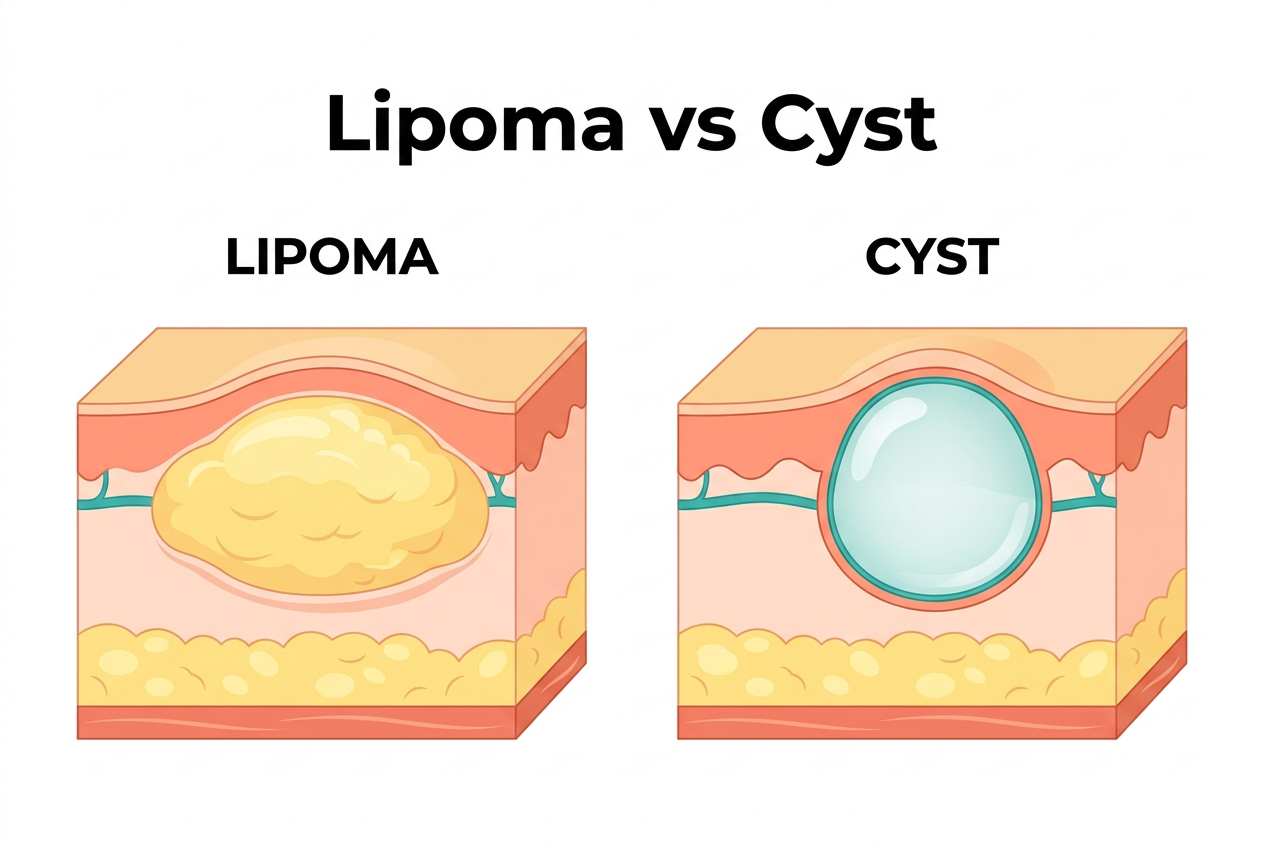
What Is a Lipoma?
A lipoma is a benign (non-cancerous) fatty tumour that grows slowly beneath the skin. Lipomas are composed of mature fat cells enclosed within a thin fibrous capsule. They are one of the most common soft tissue tumours and are typically harmless.
Key Characteristics of Lipomas:
• Soft and rubbery to the touch — they move easily when pressed (mobile)
• Usually painless — unless they press on a nerve or grow in a tight space
• Most common in adults aged 40–60 — though they can occur at any age
• Can occur anywhere on the body — most frequently on the neck, shoulders, back, arms, and thighs
• Slow-growing — typically grow over months to years, usually remaining under 5 cm in diameter
• Genetic predisposition — lipomas tend to run in families, and some individuals develop multiple lipomas (familial multiple lipomatosis)
While lipomas are benign, any rapidly growing or painful fatty lump should be evaluated by a specialist to rule out a rare malignant variant called liposarcoma. Dr. Vanesha Varik provides expert assessment of all soft tissue lumps at Medcare Hospital Al Safa, Dubai.
What Is a Cyst?
A cyst is a closed, sac-like structure filled with fluid, semi-solid material, or air that can develop in various tissues of the body. Cysts are extremely common and can range from tiny, barely noticeable lumps to larger masses that may require surgical removal.
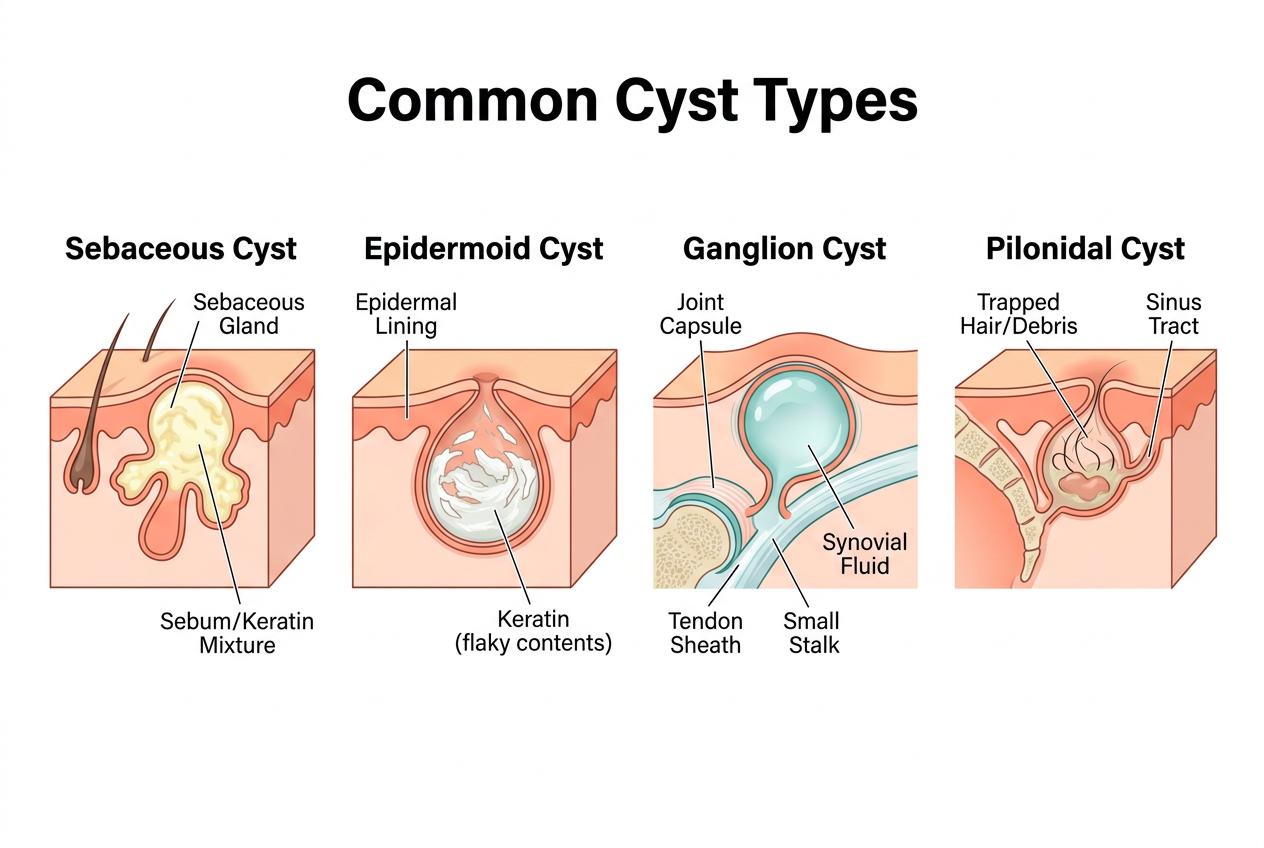
Common Types of Cysts:
• Epidermoid cyst — the most common type, originating from the epidermis (outer skin layer). Contains keratin and appears as a smooth, round lump under the skin
• Sebaceous cyst — arises from blocked sebaceous (oil) glands. Contains oily, waxy sebum. Often found on the face, neck, and trunk
• Ganglion cyst — forms near joints and tendons, most commonly on the wrist or hand. Contains thick, clear, jelly-like fluid
Common Symptoms of Cysts:
• Smooth, round lump under the skin with well-defined borders
• May be tender or painful if inflamed or infected
• Can grow in size over time, especially if infected
• Some cysts have a central punctum (small dark opening) visible on the skin surface
• Infected cysts may become red, warm, swollen, and discharge foul-smelling material
If you have a persistent or growing cyst, cyst removal in Dubai by an experienced surgeon ensures complete excision and prevents recurrence.
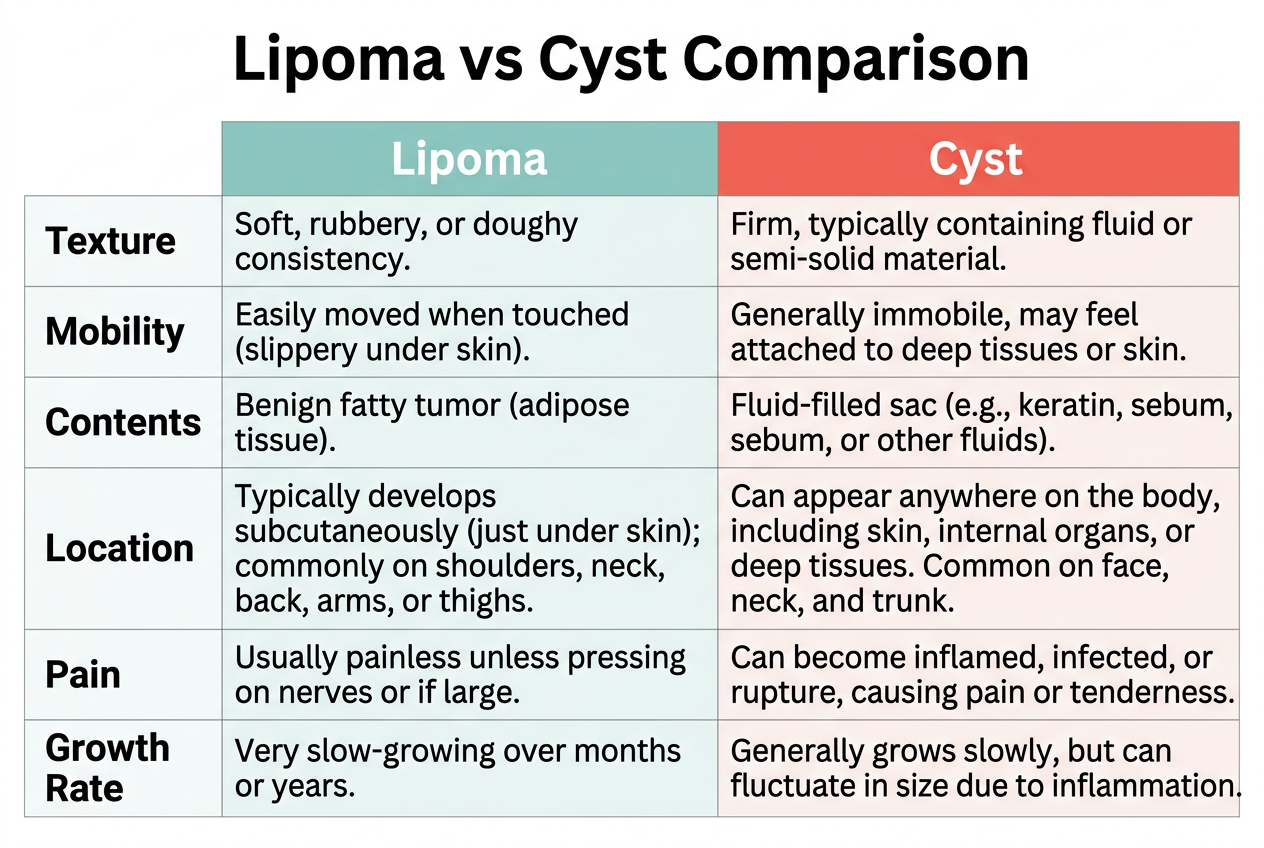
Key Differences Between Lipoma and Cyst
While lipomas and cysts can look and feel similar, they have distinct differences in composition, behaviour, and treatment. The following table summarises the key clinical differences:
| Feature | Lipoma | Cyst |
|---|---|---|
| Composition | Fatty tissue | Fluid or semi-solid material |
| Texture | Soft, rubbery, moves under skin | Firm or soft, may be fluctuant |
| Pain | Usually painless | Can be tender if inflamed |
| Growth Rate | Slow | May grow rapidly if infected |
| Infection Risk | Very rare | Common, especially with squeezing |
| Treatment | Surgical excision if large or uncomfortable | Surgical excision; drainage if infected |
| Recurrence | Rare after complete excision | Possible if cyst wall not fully removed |
Diagnosis
Accurate diagnosis is essential to differentiate between lipomas, cysts, and other soft tissue masses. Dr. Vanesha Varik uses a systematic diagnostic approach:
• Physical examination — to assess the size, mobility, tenderness, and consistency of the lump. Lipomas typically feel soft and rubbery, while cysts may feel firmer and fluctuant
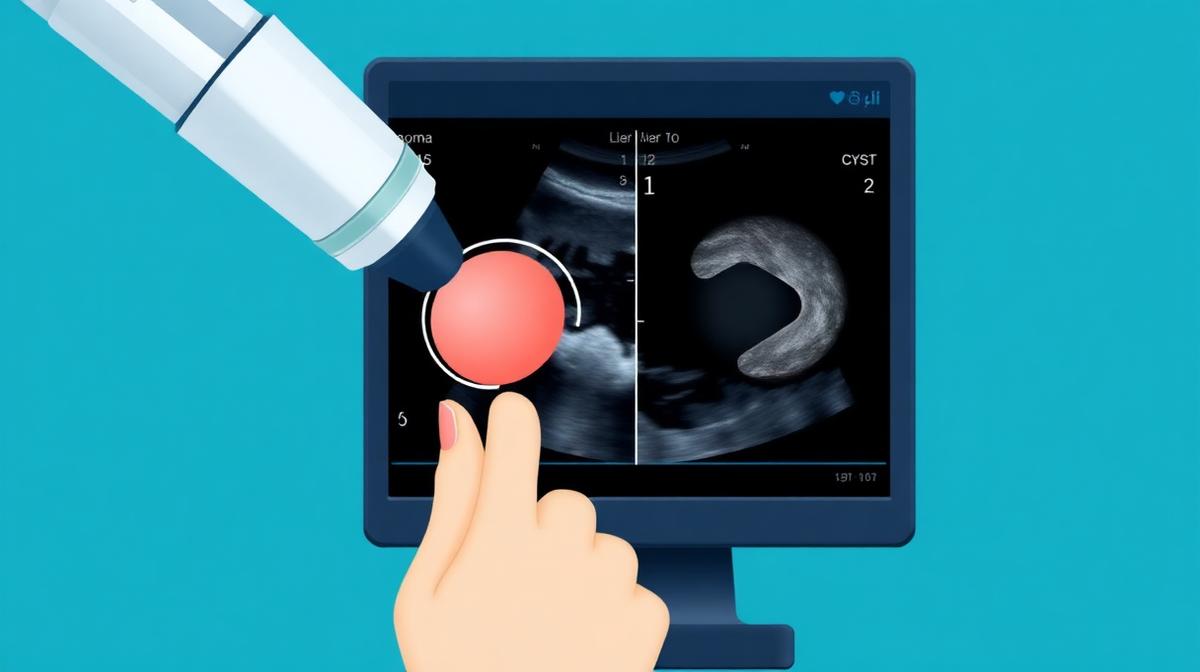
• Ultrasound imaging — the primary imaging tool to differentiate solid masses (lipomas) from fluid-filled structures (cysts). Ultrasound is non-invasive, painless, and provides immediate results
• MRI or CT scan — reserved for deep-seated or complex lumps, or when the ultrasound findings are inconclusive. MRI provides excellent soft tissue detail
• Biopsy (FNAC or excisional) — if there is any clinical or imaging concern for malignancy, tissue sampling is performed to confirm the diagnosis histologically
Book a soft tissue consultation with Dr. Vanesha Varik at Medcare Hospital Dubai for expert evaluation and diagnosis.
Treatment Options
Lipoma Treatment
• Observation — small, asymptomatic lipomas that are not growing can be safely monitored with periodic clinical examination
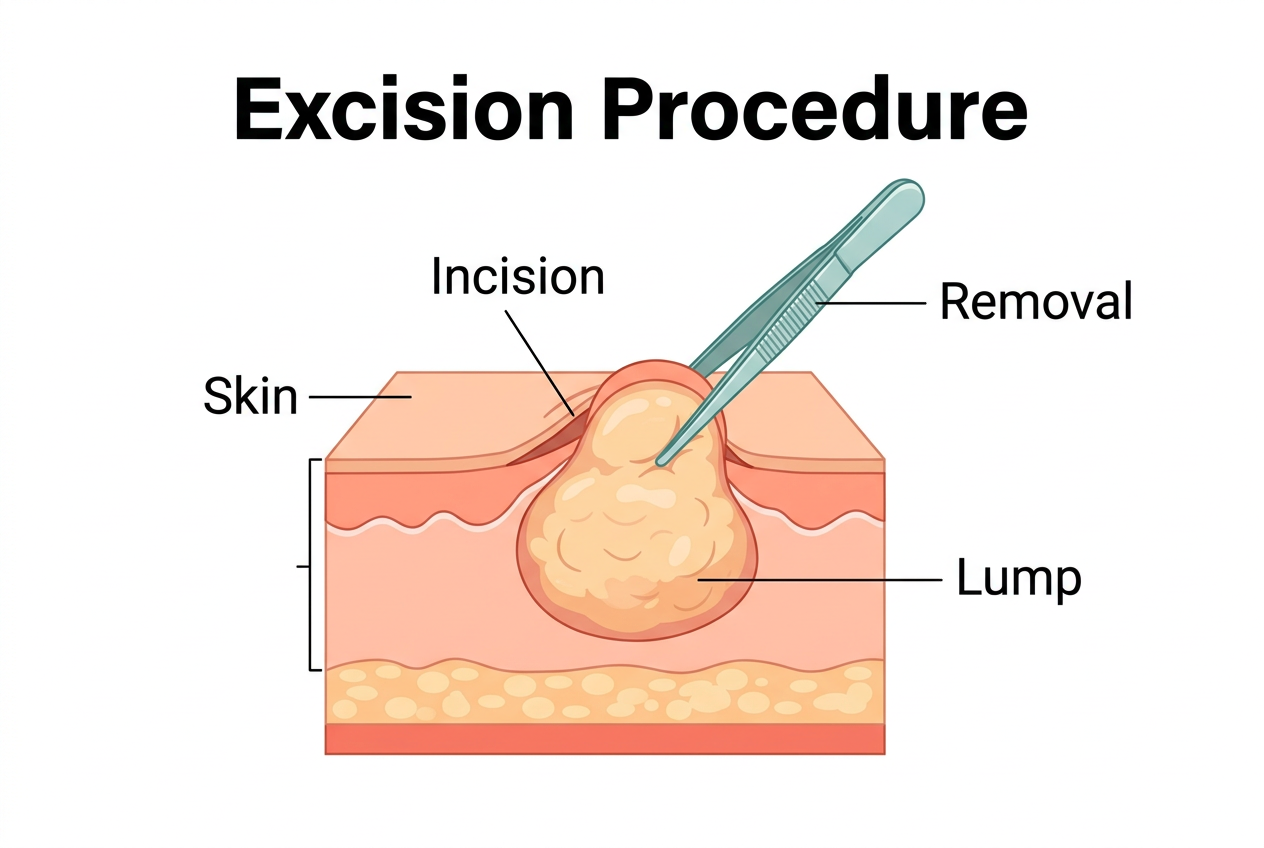
• Surgical excision — recommended for lipomas that are large (>5 cm), painful, growing, cosmetically bothersome, or causing functional impairment. The procedure involves making a small incision over the lipoma and enucleating (shelling out) the entire tumour along with its capsule
• Histological examination — all excised specimens are sent for pathological analysis to confirm benign nature
Cyst Treatment
• Observation — small, non-infected cysts that are not causing symptoms can be monitored
• Incision and drainage (I&D) — for acutely infected or abscessed cysts, drainage provides immediate relief. However, this does not remove the cyst wall and carries a higher recurrence risk
• Complete surgical excision — the definitive treatment for cysts. Removing the entire cyst including its wall prevents recurrence. This is the preferred approach for non-infected cysts
Dr. Vanesha Varik performs minimally invasive excisions for both lipomas and cysts at Medcare Hospital Dubai, ensuring quick recovery, minimal scarring, and excellent cosmetic outcomes for patients across Dubai, Sharjah, and the UAE. She utilises advanced surgical techniques and meticulous wound closure to achieve the best possible results.
Post-Treatment Recovery
Recovery after lipoma or cyst excision is generally straightforward. Most procedures are performed as day cases under local anaesthesia. Here is what to expect:
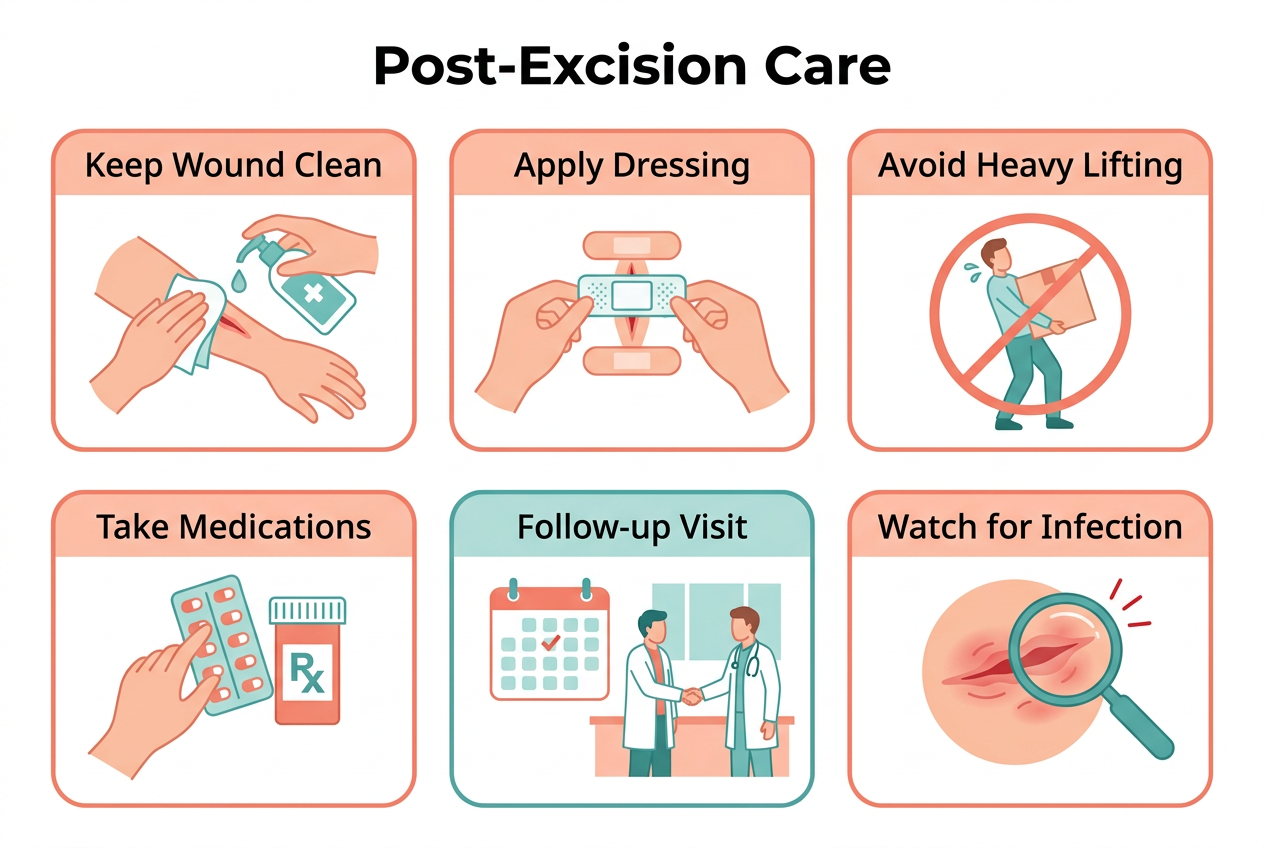
• Mild pain for 1–2 days — managed with simple over-the-counter analgesics. Significant pain is uncommon
• Keep the wound clean and dry — follow Dr. Vanesha Varik's specific wound care instructions. Avoid submerging the wound in water for the first week
• Avoid strenuous activity for 1–2 weeks — light daily activities can be resumed within 2–3 days. Heavy lifting and vigorous exercise should be avoided until cleared by your surgeon
• Suture removal — typically at 7–10 days post-operatively, depending on the location and size of the excision
• Follow-up with Dr. Vanesha Varik — a post-operative review ensures proper healing and allows discussion of histology results
Prevention & Awareness
While lipomas and cysts cannot always be prevented, awareness and early evaluation are key to effective management:
• Maintain a healthy weight — obesity may contribute to the development of lipomas
• Monitor any new lumps — note the size, location, and any changes over time. Photograph lumps periodically for comparison
• Seek early evaluation — any lump that grows, becomes painful, or changes in character should be assessed by a specialist promptly
• Avoid squeezing or attempting to drain lumps at home — this can cause infection, scarring, and incomplete removal
• Annual health check-ups — regular medical examinations can detect lumps early, even before they become noticeable to you
For expert advice on soft tissue health and lump management, consult Dr. Vanesha Varik at Medcare Hospital Dubai.
Conclusion
Lipomas and cysts are among the most common soft tissue lumps encountered by patients in Dubai, Sharjah, and across the UAE. While both are typically benign and treatable, accurate diagnosis through clinical examination and imaging is essential to confirm the nature of any lump and plan appropriate management. Whether observation, minimally invasive excision, or drainage is required, timely treatment ensures the best outcomes — minimal scarring, fast recovery, and peace of mind.
Dr. Vanesha Varik, a trusted general surgeon in Dubai, provides expert evaluation, diagnosis, and treatment for all soft tissue conditions. Whether you are dealing with a single lipoma, multiple cysts, or any undiagnosed lump, Dr. Vanesha Varik offers compassionate, evidence-based surgical care at Medcare Hospital Al Safa. Book a consultation today.