Quick answer
A fibroadenoma is a benign breast lump, but a new lump needs examination and imaging to confirm the diagnosis. A confirmed, stable fibroadenoma may be monitored; growth, symptoms or diagnostic uncertainty can lead to discussion of removal. There is no single size threshold that decides treatment for everyone.
See breast lump assessment and treatment. NHS breast lump guidance.
Fibroadenomas are benign breast lumps, most common in women under 35. While usually non-cancerous, early evaluation is important to rule out malignancy. Dr. Vanesha Varik, a leading breast surgeon in Dubai, emphasises regular screening and timely management for UAE patients. Whether you have discovered a new breast lump, are experiencing changes in your breast tissue, or simply want to understand fibroadenoma better, this comprehensive guide covers everything you need to know — from causes and symptoms to diagnosis, treatment options, and post-operative recovery.
Need expert breast care?
What is a Fibroadenoma?
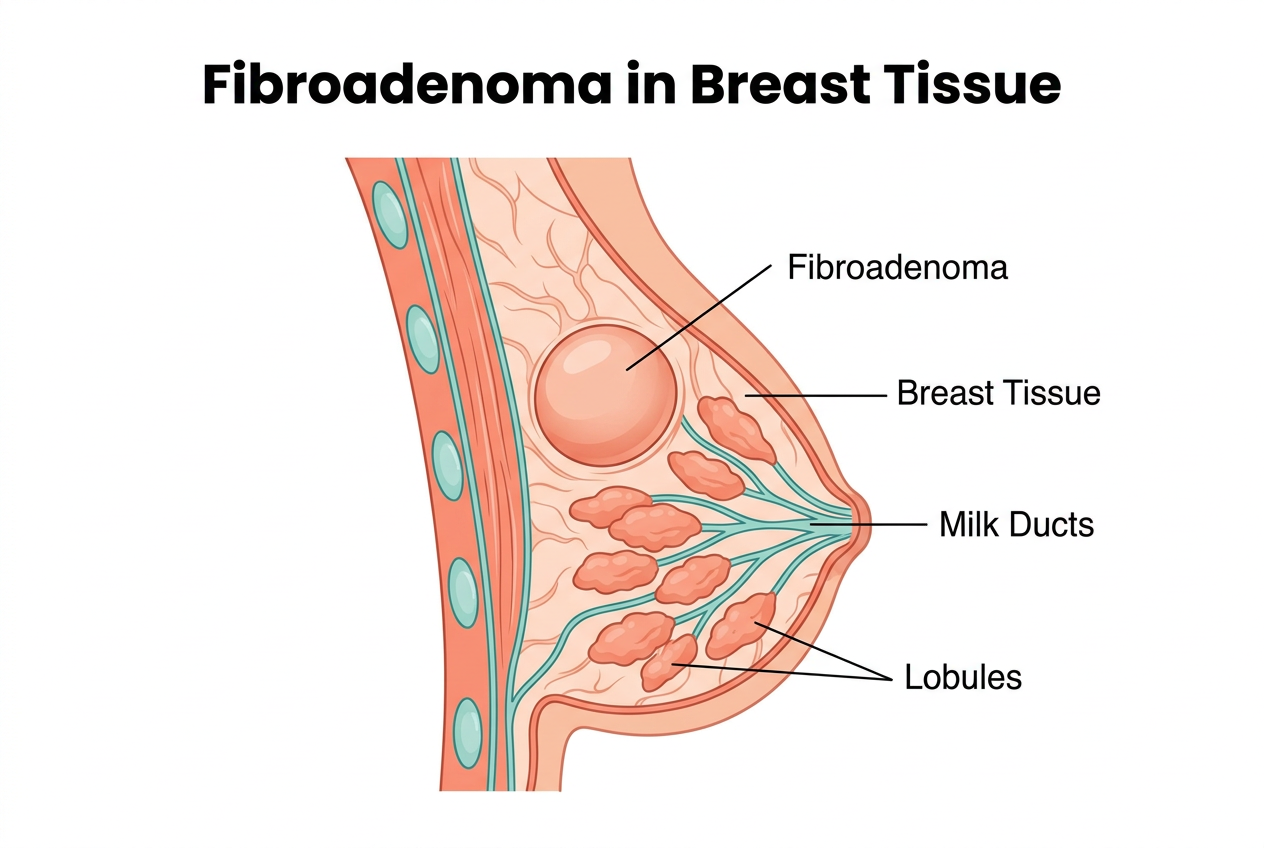
Fibroadenoma is a solid, smooth, benign breast tumour. It feels firm or rubbery and moves easily under the skin — which is why fibroadenomas are sometimes called "breast mice." They are the most common type of benign breast tumour and account for approximately 50% of all breast biopsies performed worldwide.
Key Characteristics:
• Usually painless — most women discover them incidentally during a shower, self-examination, or routine clinical check
• Round or oval in shape with smooth, well-defined borders
• Common in young women — UAE-specific prevalence shows approximately 1 in 10 women under 35 will develop a fibroadenoma
• Size typically ranges from 1–3 cm, though giant fibroadenomas (>5 cm) can occasionally occur
• Composed of a mixture of glandular (epithelial) and stromal (connective) tissue
• Can be single or multiple — some women develop more than one fibroadenoma simultaneously
While fibroadenomas are benign, their clinical presentation can sometimes mimic other breast conditions. This is why specialist evaluation by an experienced breast surgeon in Dubai is essential for accurate diagnosis and appropriate management.
Causes & Risk Factors
While the exact cause of fibroadenoma is not fully understood, research indicates that hormonal influences — particularly oestrogen — play a central role in their development and growth. Fibroadenomas tend to develop during reproductive years when oestrogen levels are highest and may shrink after menopause when oestrogen declines.
Known Risk Factors Include:
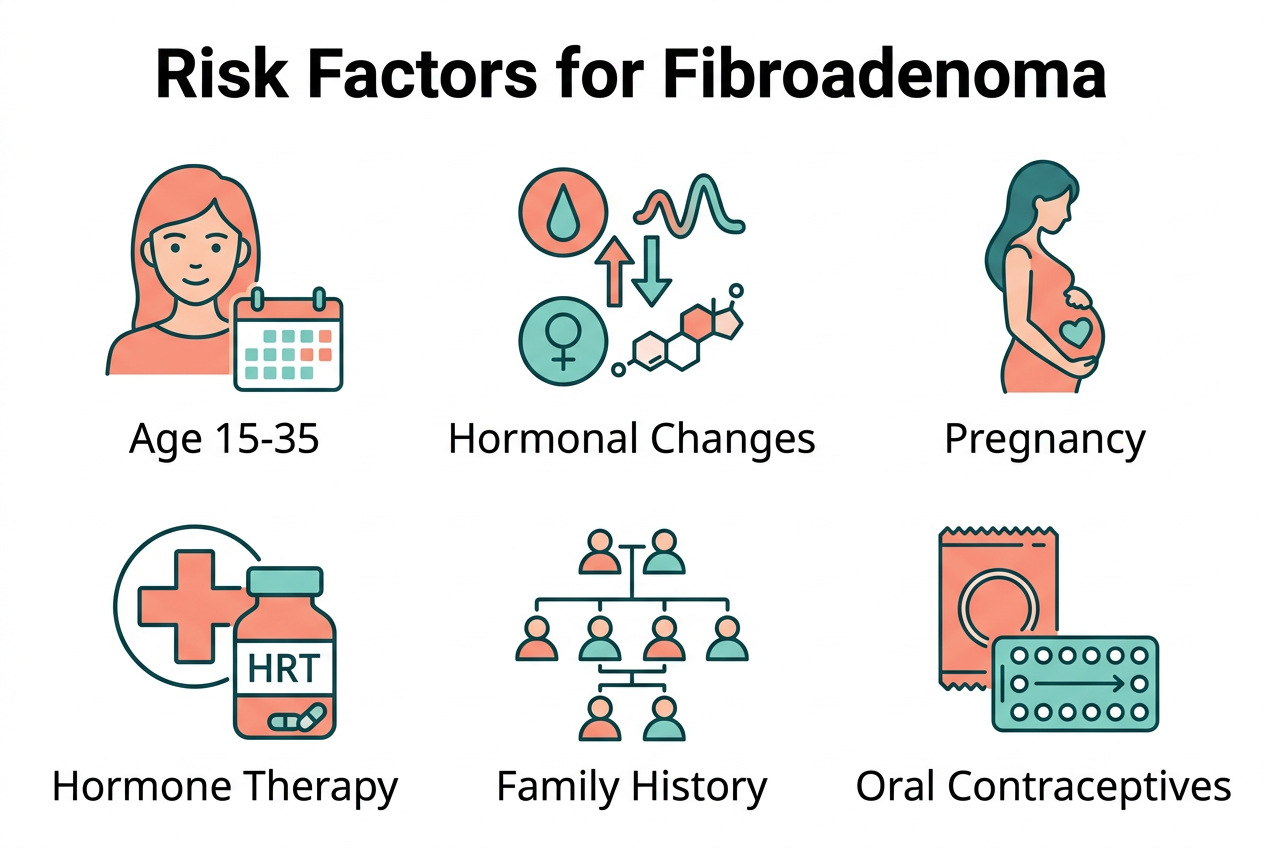
• Hormonal influences (oestrogen) — elevated oestrogen levels during puberty, pregnancy, and hormonal therapy can stimulate fibroadenoma growth
• Family history of breast lumps — women with a first-degree relative who has had fibroadenomas or other benign breast conditions are at higher risk
• Certain lifestyle factors — high-fat diet, chronic stress, and sedentary lifestyle have been associated with increased risk
• Pregnancy and oral contraceptive use — hormonal fluctuations during pregnancy and the use of combined oral contraceptives can trigger fibroadenoma development or growth of existing lumps
• Age — most common in women aged 15–35, though they can occur at any age
• Immunosuppression — women with compromised immune systems may have a higher incidence
Understanding these risk factors helps women in the UAE make informed decisions about breast health monitoring. For personalised risk assessment, consult Dr. Vanesha Varik at Medcare Hospital Dubai.
Symptoms & Detection
Fibroadenomas are often discovered incidentally. Most women notice a small, firm, mobile lump during self-examination or routine clinical assessment. Understanding the symptoms and available detection methods is crucial for early identification and peace of mind.
Common Symptoms:
• Smooth, firm, mobile lump in the breast that moves easily when pushed
• Usually painless — though some women may experience mild tenderness, particularly before menstruation
• Well-defined borders — fibroadenomas typically feel round or oval with distinct edges
• Detected during self-exam, routine screening, or incidentally during imaging for another condition
• May change in size during menstrual cycle or pregnancy
Detection Methods:
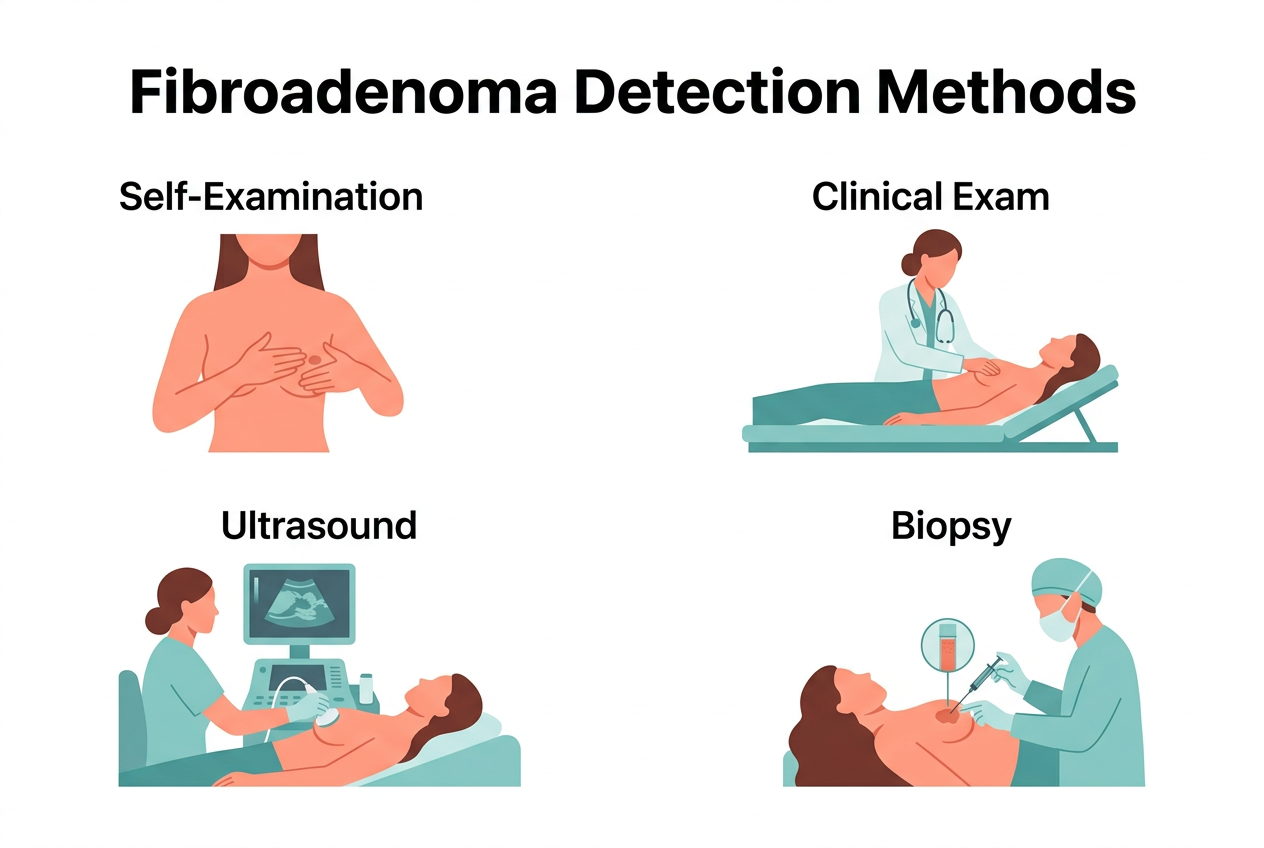
• Clinical breast exam — a hands-on examination by Dr. Vanesha Varik to assess the lump's characteristics including size, texture, mobility, and borders
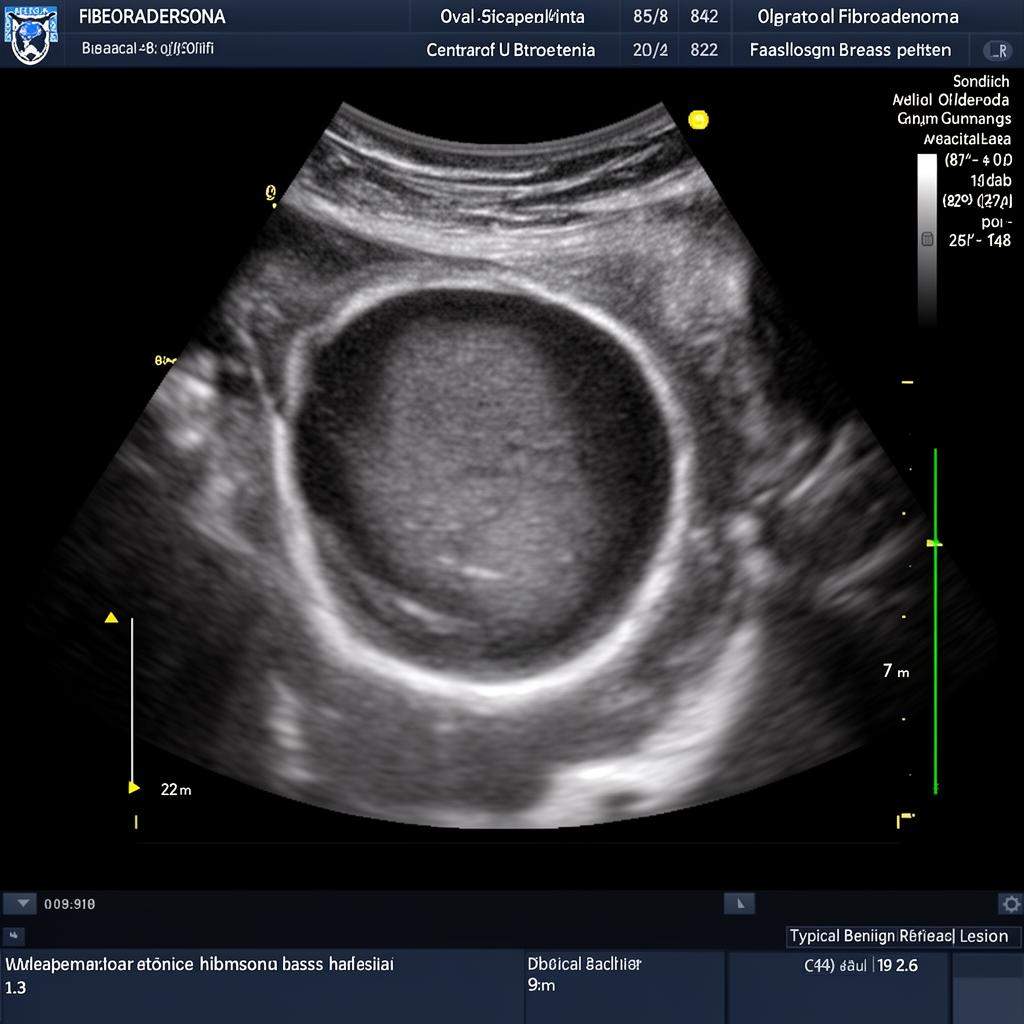
• Ultrasound imaging — the preferred first-line investigation for women under 35, providing detailed images of the lump and distinguishing solid masses from fluid-filled cysts
• Mammography — recommended for women above 35 to provide comprehensive breast tissue evaluation
• Fine needle aspiration cytology (FNAC) or core biopsy — tissue sampling for definitive diagnosis when the clinical or imaging findings are atypical or uncertain
Dr. Vanesha Varik provides comprehensive breast evaluation at Medcare Hospital Al Safa, Dubai, using internationally recognised diagnostic protocols to ensure accurate and timely diagnosis.
When to Remove a Fibroadenoma
Not all fibroadenomas require removal. Many small, stable fibroadenomas can be safely monitored with regular imaging. However, removal is considered in certain clinical scenarios to ensure patient safety, comfort, and peace of mind.
Removal Is Recommended When:
• The lump is large (greater than 2–3 cm) and continues to grow on serial imaging
• Rapid growth occurs — a significant increase in size over 6–12 months warrants excision
• Pain or discomfort is present — some fibroadenomas can cause persistent breast pain
• The diagnosis is uncertain or suspicious — atypical imaging features or inconclusive biopsy results
• Patient anxiety — some women prefer definitive removal rather than ongoing monitoring
• Cosmetic concerns — large or superficial fibroadenomas that are visible or palpable through the skin
Treatment Option 1: Observation
Small, stable fibroadenomas confirmed as benign on imaging can be safely monitored with periodic ultrasound — typically every 6–12 months. This conservative approach is suitable for UAE women under regular follow-up with Dr. Vanesha Varik. If the fibroadenoma remains stable in size and appearance over 2–3 years, the frequency of monitoring can be reduced.
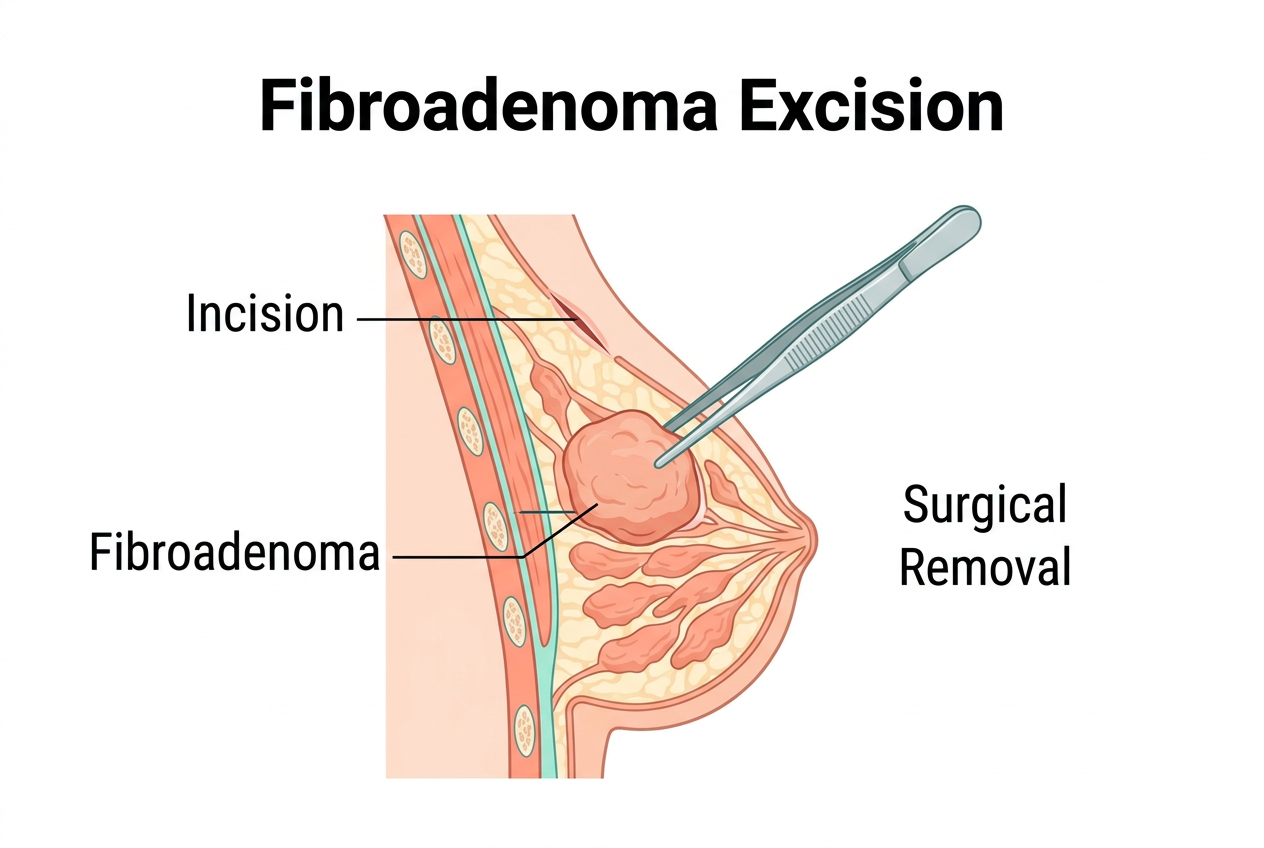
Treatment Option 2: Surgical Removal
When excision is indicated, Dr. Vanesha Varik performs minimally invasive fibroadenoma excision at Medcare Hospital Dubai. The procedure offers several advantages:
• Small incision with cosmetic suturing to preserve breast appearance
• Complete removal of the lump for histopathological examination
• Outpatient procedure — most patients go home the same day
• Quick recovery — return to normal activities within 2–3 days
• Minimal scarring — Dr. Vanesha Varik uses incision techniques that follow natural skin creases
Post-Treatment Recovery
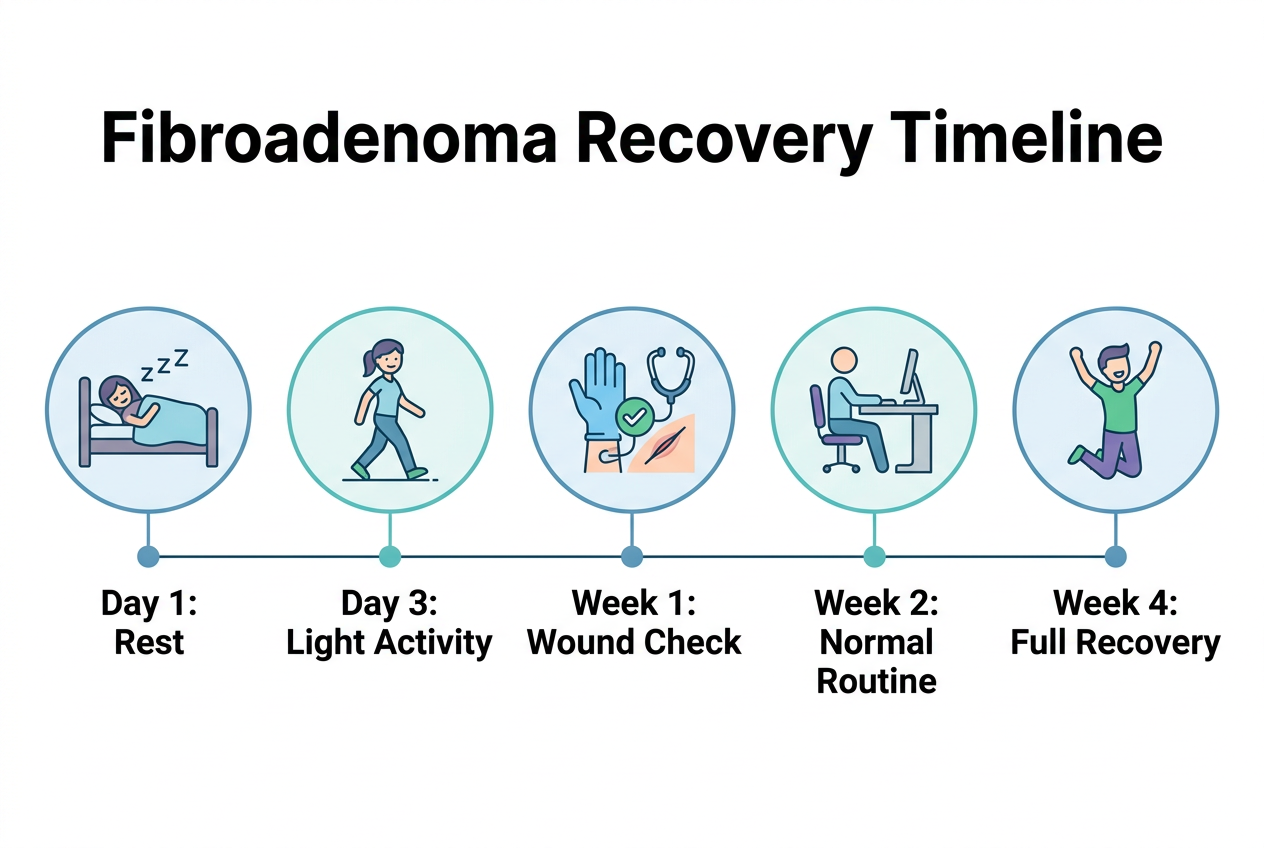
Recovery after fibroadenoma excision is typically swift and comfortable. Dr. Vanesha Varik provides detailed post-operative instructions to ensure optimal healing and outcomes.
Recovery Guidelines:
• Mild discomfort for a few days — manageable with prescribed pain relief medication. Most patients describe the discomfort as minimal
• Avoid heavy lifting for 1–2 weeks — to allow the surgical site to heal properly and minimise the risk of haematoma
• Maintain breast hygiene — keep the incision site clean and dry as instructed. Avoid submerging the wound in water until cleared by Dr. Vanesha Varik
• Follow-up with Dr. Vanesha Varik — a post-operative review is scheduled within 1–2 weeks to assess healing, review the histopathology report, and discuss ongoing breast health monitoring
• Routine screening continues post-removal — annual clinical breast examination, ultrasound, and self-examination remain important to detect any new lumps early
• Wear a supportive bra — a well-fitting sports bra provides comfort and support during the recovery period
• Resume exercise gradually — light walking can be resumed within 24–48 hours; vigorous exercise and swimming after 2 weeks
Prevention & Awareness
While fibroadenomas cannot always be prevented, maintaining breast health awareness and following UAE screening guidelines can help ensure early detection and timely management. Key preventive measures include:
• Regular self-breast exams — perform monthly breast self-examination to become familiar with the normal look and feel of your breasts, enabling you to detect changes early
• Maintain healthy weight — a balanced diet rich in fruits, vegetables, and whole grains, combined with regular physical activity, supports overall breast health
• Follow UAE breast screening guidelines — clinical breast examination from age 25, ultrasound for women under 40, and mammography from age 40
• Immediate consultation for any new lumps — do not wait or self-diagnose. Any new breast lump should be evaluated by a specialist within 2 weeks of discovery
• Discuss hormonal medications — if you are taking oral contraceptives or hormone replacement therapy, discuss the potential impact on breast tissue with your doctor
• Genetic counselling — women with a strong family history of breast conditions should consider genetic counselling and enhanced surveillance
For comprehensive breast health monitoring and personalised screening recommendations, visit our guide on breast lump evaluation or book a consultation with Dr. Vanesha Varik.
Conclusion
Fibroadenomas are common and usually benign, but proper evaluation by an experienced breast surgeon is crucial to ensure accurate diagnosis and rule out any concerning pathology. UAE patients should consult Dr. Vanesha Varik for expert assessment, minimally invasive removal when indicated, and continued breast health monitoring. With the right specialist care, fibroadenoma management is straightforward, effective, and leads to intended outcomes.
Whether you need reassurance about a newly discovered breast lump, a second opinion on a recommended treatment plan, or expert surgical excision, Dr. Vanesha Varik at Medcare Hospital Dubai provides compassionate, evidence-based breast surgical care for women across Dubai, Sharjah, and the UAE.