Finding a breast lump can be alarming. While not every lump is cancerous, understanding the differences between benign lumps and malignant tumours is essential for every woman. Dr. Vanesha Varik, a leading breast surgeon in Dubai, emphasises that early detection is the key to effective treatment. Whether you have discovered a new lump, are experiencing breast changes, or simply want to learn more about breast health, this comprehensive guide covers the key differences between benign and malignant breast lumps, risk factors for women in the UAE, and when to seek urgent medical evaluation.
What Is a Breast Lump?
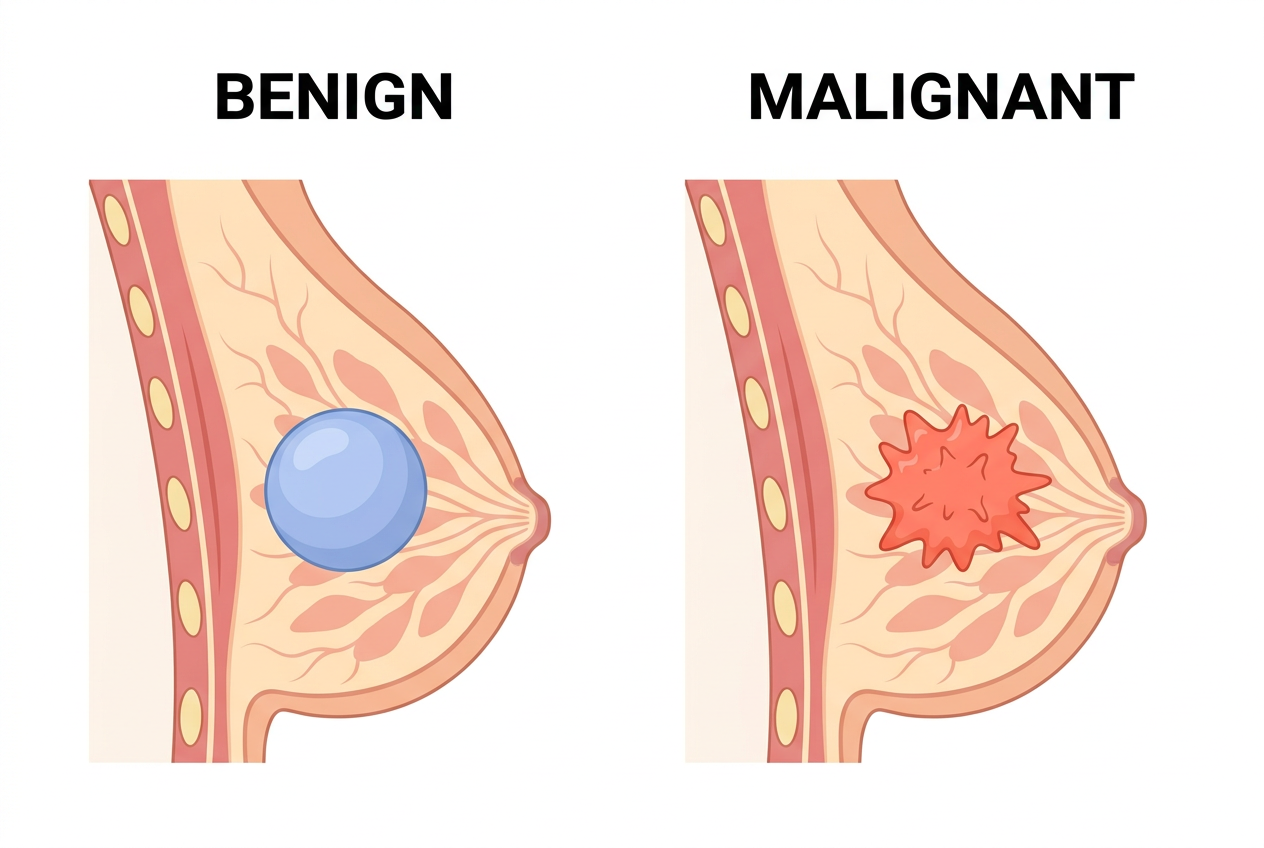
A breast lump is any localised swelling, mass, or thickening in the breast tissue. Breast lumps are extremely common and can occur at any age. They vary widely in size, texture, and mobility. A lump may feel soft or firm, movable or fixed, painful or completely painless. In the vast majority of cases, breast lumps are benign — meaning they are not cancerous and do not pose a serious health risk.
Common Causes of Benign Breast Lumps:
• Fibroadenomas — firm, rubbery, painless lumps most common in women under 35. These are composed of glandular and connective tissue and are the most frequently encountered benign breast tumour.
• Breast cysts — fluid-filled sacs that can vary in size with the menstrual cycle. They are very common in women aged 35–50 and are almost always benign.
• Fatty deposits (lipomas) — soft, harmless lumps formed by accumulation of fat tissue beneath the skin.
• Breast infections / abscess — usually painful lumps accompanied by redness, warmth, and sometimes fever. These are more common during breastfeeding but can occur at any time.
• Fibrocystic changes — lumpy, tender breast tissue that fluctuates with hormonal cycles. This is a normal variation, not a disease.
Understanding Breast Cancer
Breast cancer occurs when cells in the breast tissue grow and multiply uncontrollably, forming a malignant tumour. Unlike benign lumps, cancerous tumours can invade surrounding tissue and spread (metastasise) to lymph nodes and other parts of the body. Breast cancer is the most common cancer affecting women worldwide, but early detection significantly improves treatment outcomes and survival rates.
Warning Signs of a Malignant Breast Lump:
• Hard, irregular-shaped lump that feels different from surrounding breast tissue
• Lump fixed to underlying tissue or skin — does not move freely when pushed
• Skin dimpling, puckering, or orange-peel texture (peau d'orange) over the lump
• Nipple discharge — especially spontaneous, unilateral, or blood-stained discharge
• Nipple retraction or inversion that is new
• Persistent breast pain or swelling that does not fluctuate with the menstrual cycle
• Enlarged lymph nodes in the armpit (axilla)
Dr. Vanesha Varik advises that any new breast lump should be evaluated immediately, especially in women above 40 in Dubai and the UAE. Early assessment by a specialist breast surgeon is the single most important step in ensuring the best possible outcome.
Key Differences Between Benign and Malignant Breast Lumps
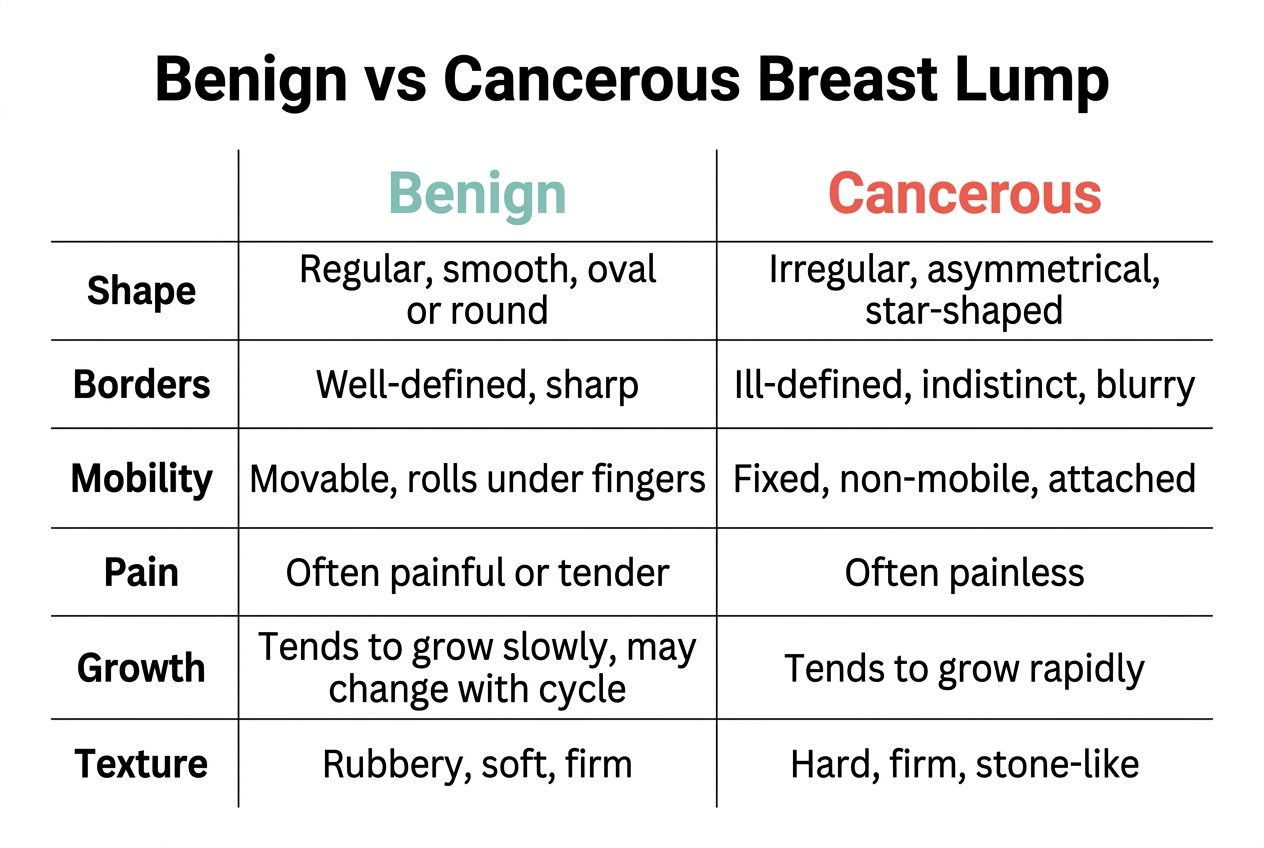
Understanding the clinical differences between benign and malignant breast lumps can help you know what to look for — though only a specialist can provide a definitive diagnosis through clinical examination and imaging.
| Feature | Benign Lump | Malignant Lump |
|---|---|---|
| Texture | Soft or rubbery | Hard, irregular |
| Mobility | Moves freely under skin | Fixed in place |
| Pain | Often tender | Usually painless |
| Growth Rate | Slow or stable | Rapid or progressive |
| Borders | Well-defined, smooth | Irregular, spiculated |
| Age Group | Any age | More common after 40 |
| Skin Changes | None | Dimpling, puckering |
Risk Factors for Breast Cancer in UAE Women
While breast cancer can affect any woman, certain factors increase the risk. Understanding your personal risk profile helps guide screening decisions and ensures timely detection. Key risk factors for women in the UAE include:
• Family history — first-degree relatives (mother, sister, daughter) with breast or ovarian cancer
• Genetic mutations — BRCA1 and BRCA2 gene mutations significantly increase lifetime breast cancer risk
• Hormonal factors — early onset of menstruation (before age 12), late menopause (after age 55), or prolonged hormone replacement therapy
• Lifestyle factors — high-fat diet, obesity, physical inactivity, and excessive alcohol consumption
• Age — risk increases significantly after age 40, with most breast cancers diagnosed in women over 50
• Previous breast conditions — history of atypical ductal hyperplasia or lobular carcinoma in situ
Women in Dubai and the UAE with one or more risk factors should discuss personalised screening schedules with their breast surgeon. Dr. Vanesha Varik provides comprehensive risk assessment and screening guidance at Medcare Hospital Al Safa, Dubai.
When to See a Doctor
Seek immediate consultation with a breast specialist if you notice any of the following:
• A new lump or thickening that persists for more than two weeks
• Skin changes over the breast — redness, dimpling, puckering, or thickening
• Spontaneous nipple discharge, especially if bloody or from one breast only
• New nipple retraction or inversion
• Enlarged or hard lymph nodes in the armpit
• Persistent breast pain that is not related to your menstrual cycle
• Any change in the size, shape, or contour of one breast
Dr. Vanesha Varik, a specialist in breast surgery in Dubai, emphasises that early evaluation is critical for treatment success. Delaying assessment can allow a potentially treatable condition to progress to a more advanced stage.
Diagnosis & Screening Options in Dubai
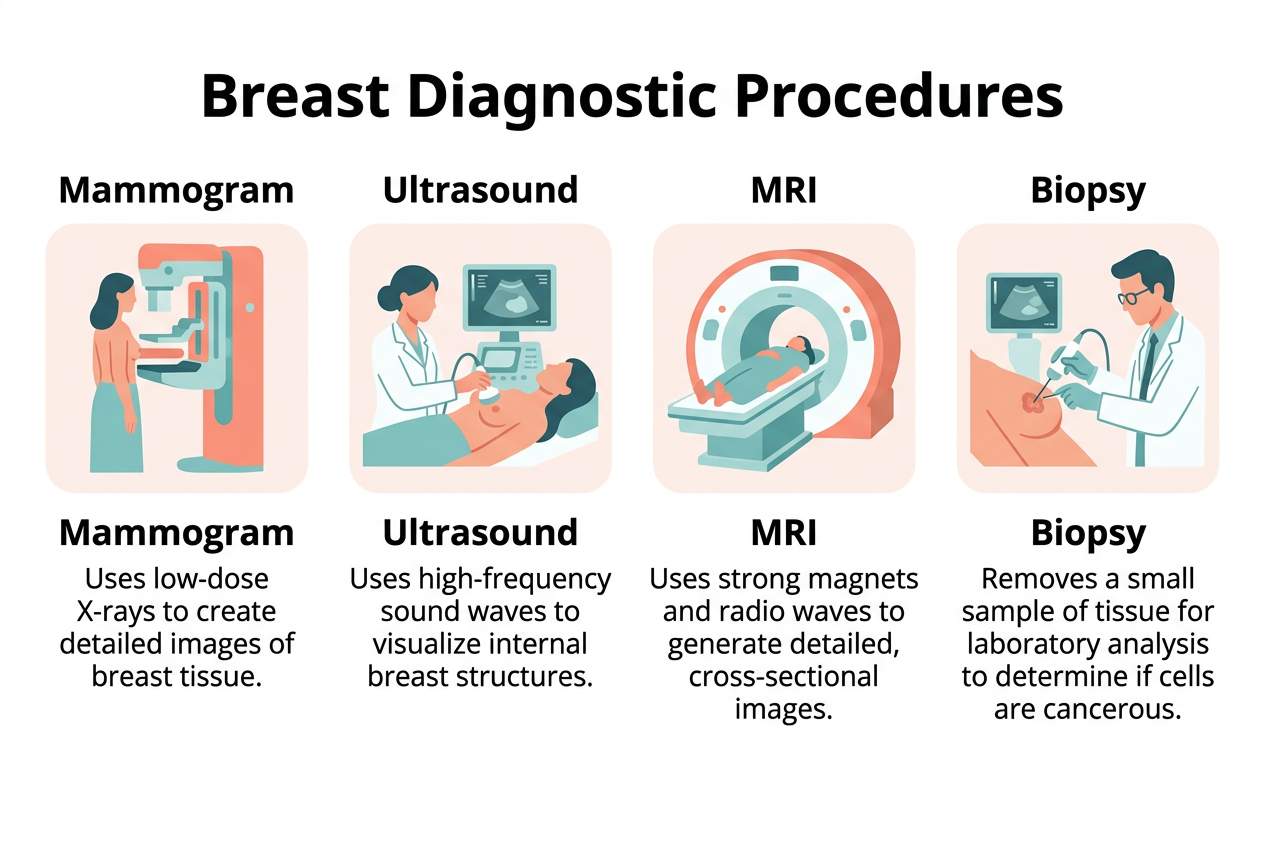
Accurate diagnosis is the foundation of effective breast care. In Dubai, the following diagnostic tools are used by specialist breast surgeons:
• Clinical Breast Exam (CBE) — a hands-on examination performed by Dr. Vanesha Varik or a qualified specialist to assess the nature, size, and characteristics of any lump
• Breast Ultrasound — the preferred first-line imaging for women under 40, providing detailed images of breast tissue and distinguishing between solid masses and fluid-filled cysts
• Mammography — the gold standard screening tool for women over 40, capable of detecting cancers before they become palpable
• Biopsy / FNAC (Fine Needle Aspiration Cytology) — tissue sampling to confirm whether a lump is benign or malignant. This is the definitive diagnostic step
Treatment Overview
If a breast lump is confirmed as benign, management may include observation with regular follow-up imaging, medication for breast infections, or surgical excision for growing or symptomatic fibroadenomas. Dr. Vanesha Varik performs breast lump excision using minimally invasive techniques wherever possible, ensuring minimal scarring and rapid recovery.
If breast cancer is diagnosed, the treatment plan is individualised and may include:
• Surgery — lumpectomy (breast-conserving surgery) or mastectomy, depending on the size and stage of the cancer
• Radiotherapy — targeted radiation to destroy remaining cancer cells after surgery
• Chemotherapy — systemic treatment to address cancer cells throughout the body
• Hormonal therapy — for hormone receptor-positive cancers, blocking oestrogen to prevent recurrence
• Targeted therapy — newer treatments that target specific molecular markers on cancer cells
At Medcare Hospital Dubai, Dr. Vanesha Varik works closely with oncologists, radiologists, and pathologists as part of a multidisciplinary team to ensure comprehensive cancer care from diagnosis through treatment and follow-up.
Prevention & Awareness Tips
While not all breast cancers can be prevented, the following steps significantly reduce your risk and improve the chances of early detection:
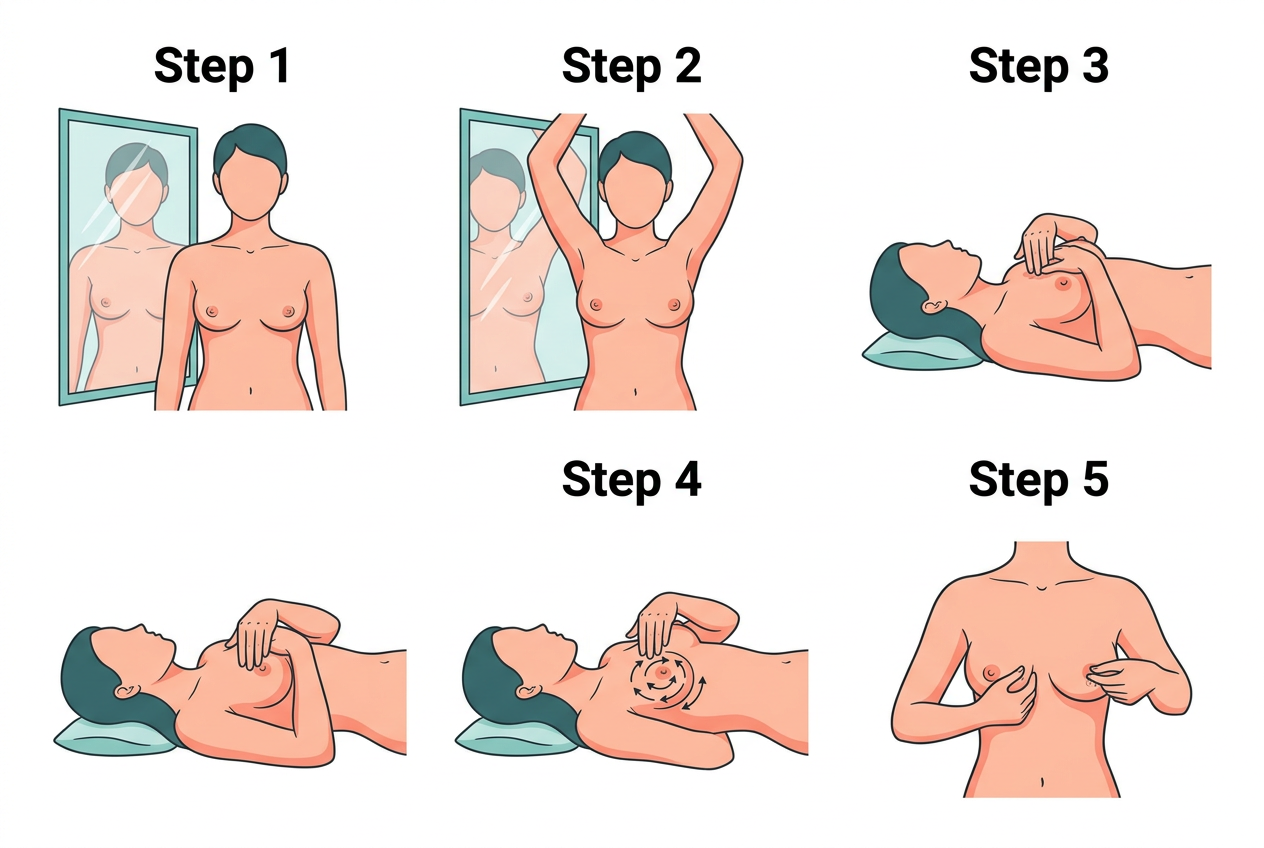
• Monthly breast self-exams — perform regular self-examination to become familiar with how your breasts normally look and feel, so you can detect changes early
• Annual clinical breast exam — schedule a yearly examination with Dr. Vanesha Varik or your healthcare provider
• Mammography from age 40 — annual or biennial mammography screening as recommended by your specialist
• Healthy lifestyle — maintain a balanced diet rich in fruits and vegetables, exercise regularly (at least 150 minutes per week), maintain a healthy weight, and limit alcohol intake
• Genetic counselling — if you have a strong family history of breast or ovarian cancer, genetic testing for BRCA1/BRCA2 mutations can help guide surveillance and prevention strategies
Conclusion
Not all breast lumps are cancerous — in fact, the majority are benign and treatable. However, timely evaluation by a qualified breast surgeon is essential to confirm the diagnosis and ensure peace of mind. Awareness, early detection through regular screening, and prompt medical assessment save lives. Women in Dubai, Sharjah, and across the UAE should not delay seeking expert advice for any breast concern.
Dr. Vanesha Varik, a trusted female breast surgeon in Dubai, provides compassionate, evidence-based care for all breast conditions — from routine screening and lump evaluation to surgical management. Book a consultation at Medcare Hospital Al Safa today.