Anal conditions such as piles (hemorrhoids), fissures, and fistulas are common in adults in the UAE and can cause significant discomfort, pain, or bleeding. Dr. Vanesha Varik, a leading proctology and laparoscopic surgeon in Dubai, emphasizes early evaluation and treatment to prevent complications such as infection, chronic pain, or worsening symptoms.
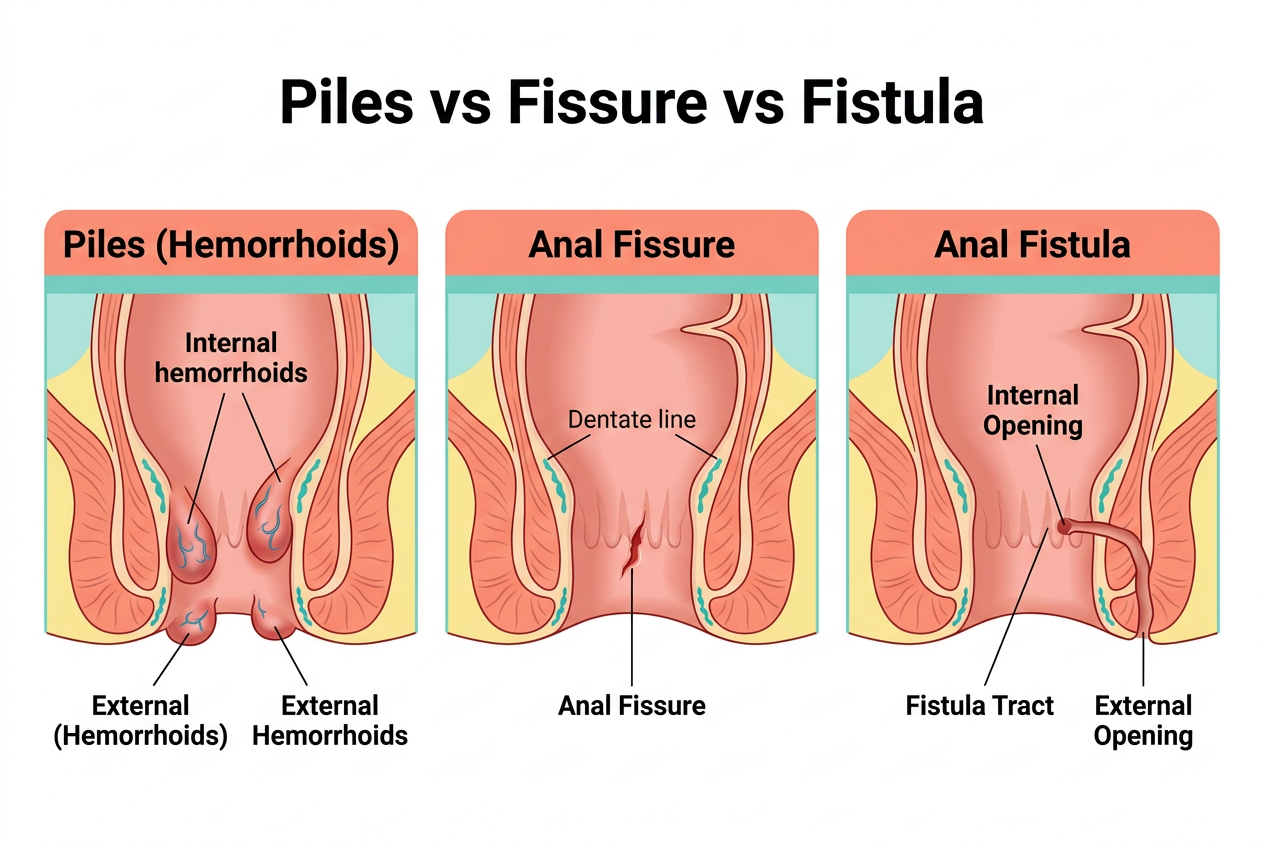
What Are Piles (Hemorrhoids)?
Piles, also known as hemorrhoids, are swollen veins in the lower rectum or anus. They are one of the most common anorectal conditions seen in UAE adults. Piles can be classified as internal (inside the rectum) or external (under the skin around the anus). While mild piles may resolve with conservative treatment, severe or recurring cases often require surgical intervention.
Symptoms of Piles:
- Bright red bleeding during bowel movements
- Itching or irritation around the anus
- Swelling or a noticeable lump near the anus
- Discomfort or pain during sitting or bowel movement
- Mucus discharge after passing stool
Dr. Vanesha Varik provides comprehensive piles treatment in Dubai, including lifestyle counselling, medication, laser treatment, and surgical excision for advanced cases.
What Is an Anal Fissure?
An anal fissure is a small tear or cut in the lining of the anus, often caused by passing hard or large stools during constipation. Fissures are extremely painful and can become chronic if not treated properly. They are common in people of all ages but particularly affect those with a low-fiber diet or chronic constipation.
Symptoms of Anal Fissure:
- Sharp, burning pain during or after bowel movements
- Bright red blood on toilet paper or stool surface
- Visible crack or tear in the skin around the anus
- Mild swelling or a small skin tag near the fissure
Acute fissures often heal with topical treatment and dietary changes. Chronic fissures — those lasting more than 6–8 weeks — may require Botox injection or lateral internal sphincterotomy surgery, which Dr. Vanesha Varik performs at Medcare Hospital Dubai.
What Is an Anal Fistula?
An anal fistula is an abnormal tunnel that forms between the anal canal and the skin near the anus. It usually develops after a perianal abscess that has not fully healed, creating a persistent tract that drains pus or fluid. Fistulas rarely heal on their own and almost always require surgical treatment.
Symptoms of Anal Fistula:
- Persistent drainage of pus or blood from an opening near the anus
- Pain and swelling around the anal area
- Recurrent perianal infections or abscesses
- Irritation of the surrounding skin
Dr. Vanesha Varik specialises in advanced fistula surgery techniques, including fistulotomy, seton placement, advancement flap surgery, and VAAFT (Video-Assisted Anal Fistula Treatment) for complex cases. For patients with recurrent abscesses, she may also recommend evaluation under minor procedures to rule out underlying conditions.
Key Differences Between Piles, Fissure, and Fistula
| Condition | Location | Main Symptoms | Treatment |
|---|---|---|---|
| Piles (Hemorrhoids) | Inside or outside anus | Bleeding, swelling, discomfort | Medication, lifestyle, laser or surgical removal |
| Anal Fissure | Lining of the anus | Sharp pain, bleeding | Topical medication, Botox, lateral sphincterotomy |
| Anal Fistula | Tunnel from anal canal to skin | Pus discharge, recurrent infection | Fistulotomy, seton, advancement flap, VAAFT |
Diagnosis of Anal Conditions
Dr. Vanesha Varik follows a systematic diagnostic approach to accurately identify and differentiate between piles, fissures, and fistulas. Accurate diagnosis is essential because the treatment for each condition is different.
- Clinical examination — visual inspection and digital rectal examination
- Anoscopy or proctoscopy — to visualise internal hemorrhoids or fissures
- MRI or endoanal ultrasound — for mapping complex fistula tracts
- Blood tests — to rule out infection or anaemia from chronic bleeding
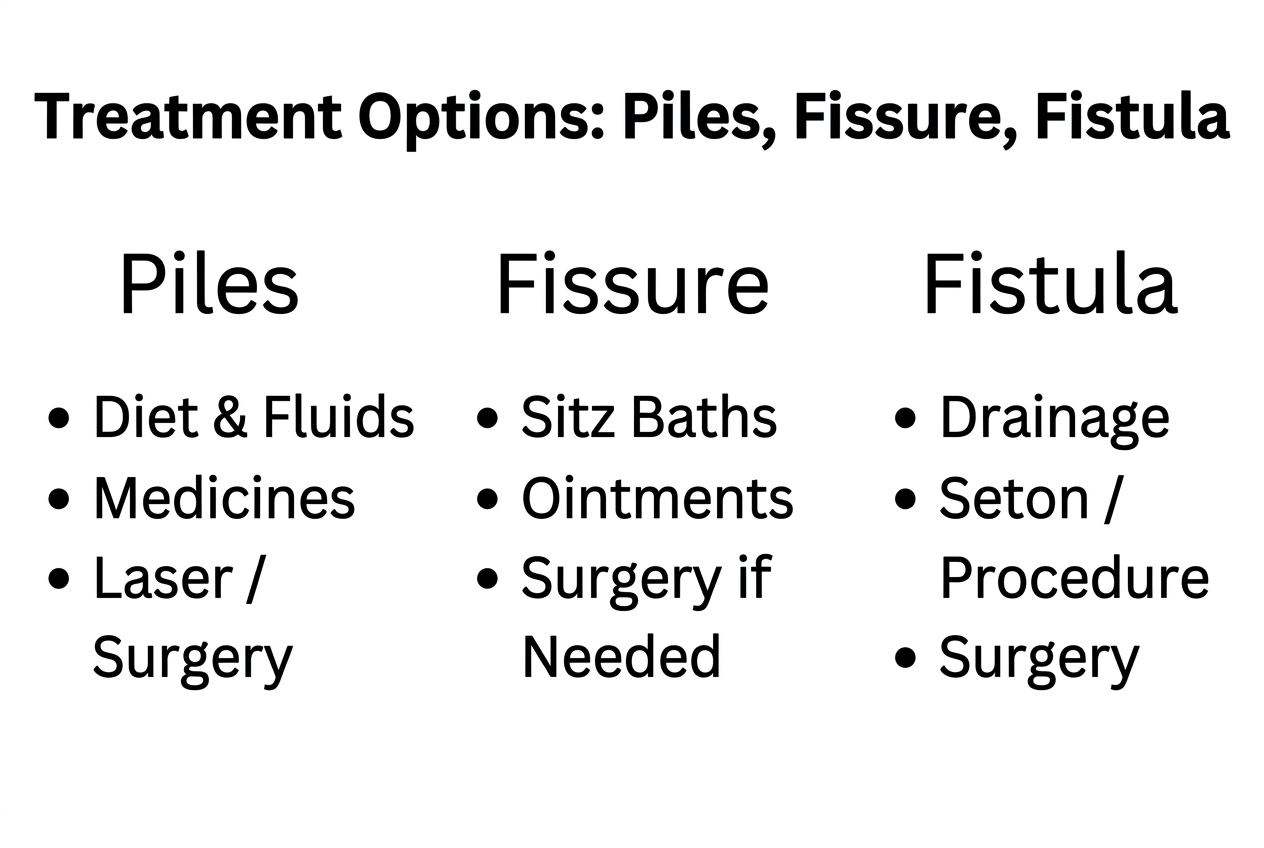
Treatment Options
Piles Treatment
- Lifestyle changes: High-fiber diet, adequate hydration, regular exercise
- Medications: Topical creams, suppositories, stool softeners
- Laser treatment: Minimally invasive laser hemorrhoidoplasty for grade 2–3 piles
- Surgical excision: Hemorrhoidectomy or stapled hemorrhoidopexy for advanced cases
Anal Fissure Treatment
- Topical anesthetic creams and calcium channel blocker ointments
- Botox injection for chronic fissures that do not respond to topical therapy
- Lateral internal sphincterotomy — a small surgical procedure to relax the sphincter muscle
Anal Fistula Treatment
- Fistulotomy: Opening and draining the fistula tract — the gold standard for simple fistulas
- Seton placement: A thread placed through the tract to promote gradual healing
- Advancement flap surgery: For complex or high fistulas
- VAAFT: Video-Assisted Anal Fistula Treatment — a minimally invasive technique
Dr. Vanesha Varik specialises in modern minimally invasive techniques to ensure faster recovery and minimal discomfort for UAE patients. Her approach combines advanced surgical techniques with thorough post-operative care.
Post-Treatment Care and Recovery
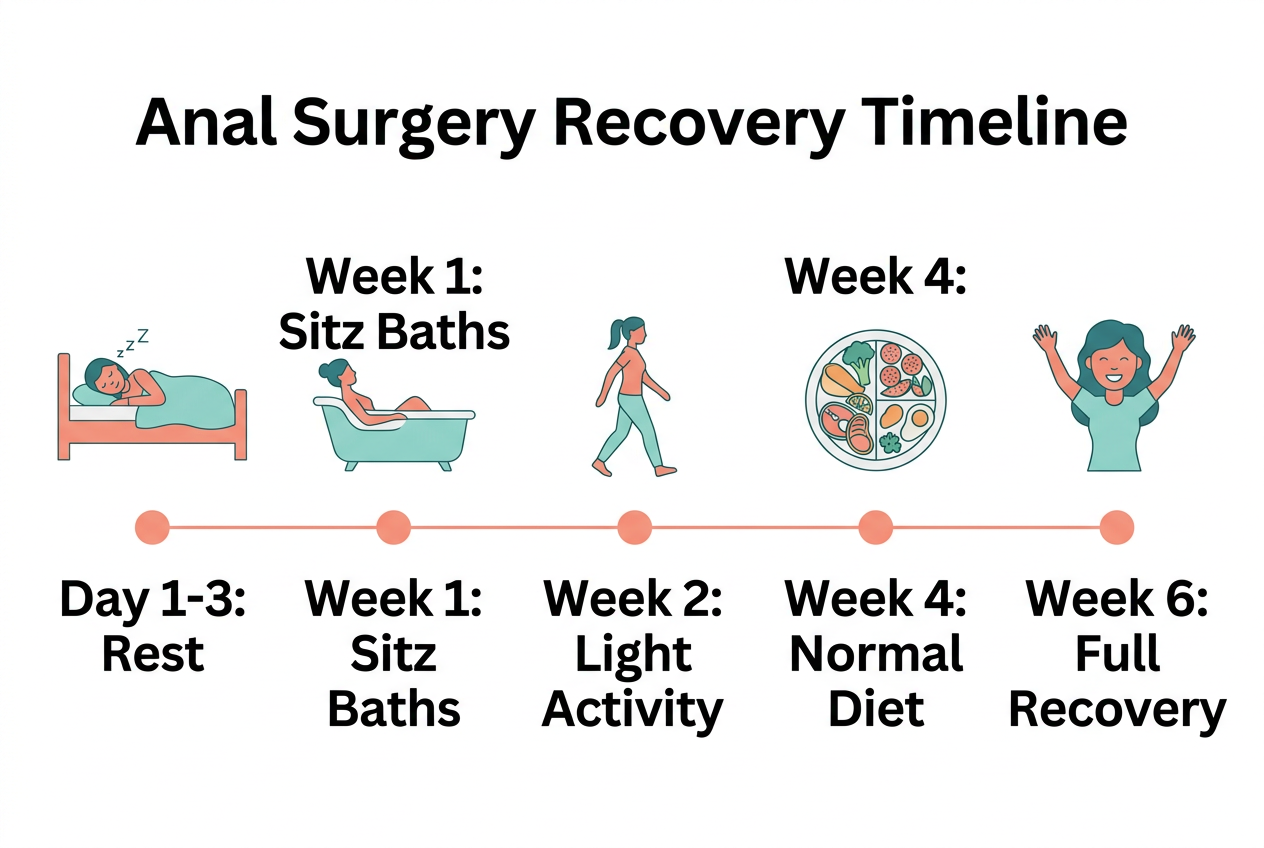
- Maintain hygiene and clean the anal area gently after bowel movements
- Eat high-fiber foods to prevent constipation and straining
- Drink at least 2–3 litres of water daily
- Avoid heavy lifting for 2–4 weeks after surgical procedures
- Take prescribed medications as directed by Dr. Vanesha Varik
- Attend follow-up appointments for wound assessment and progress monitoring
Prevention Tips
While not all anal conditions can be prevented, the following habits significantly reduce risk:
- Maintain regular bowel habits — do not ignore the urge to pass stool
- Follow a high-fiber diet rich in fruits, vegetables, and whole grains
- Stay well hydrated throughout the day
- Avoid prolonged sitting on the toilet or excessive straining
- Treat chronic constipation or diarrhoea promptly
- Seek medical attention early for any perianal abscess
When Should You See a Surgeon?
- Persistent rectal bleeding that lasts more than a few days
- Severe or worsening anal pain
- Pus or mucus discharge from the anal area
- A noticeable lump or swelling near the anus
- Symptoms that do not improve with over-the-counter treatment
- Recurrent perianal abscesses or infections
Conclusion
Piles, fissures, and fistulas are common but distinct anal conditions that can significantly impact quality of life. Each requires a different diagnostic and treatment approach. UAE patients should not delay seeking help — early evaluation by a specialist like Dr. Vanesha Varik ensures accurate diagnosis and effective, minimally invasive treatment. Whether you need conservative management, laser therapy, or surgical intervention, Dr. Vanesha Varik provides comprehensive proctology care at Medcare Hospital Dubai.
Explore Surgical Services in Dubai
Piles, fissures, fistulas & proctology care
Laparoscopic SurgeryMinimally invasive surgical techniques
Hernia SurgeryLaparoscopic and open hernia repair
Appendix SurgeryEmergency and elective appendectomy
Minor ProceduresCyst, lipoma & abscess removal
Gallbladder SurgeryLaparoscopic cholecystectomy