
Quick answer
Recurrent gallstone pain or complications such as gallbladder inflammation can lead to a recommendation for removal. Gallstones without symptoms often do not need treatment. Severe or persistent abdominal pain, fever, jaundice or repeated vomiting needs urgent assessment rather than waiting for a routine appointment.
See gallbladder removal assessment and treatment. NHS gallstone treatment guidance.
Gallbladder problems are increasingly common, especially among adults with busy lifestyles, dietary imbalances, and metabolic conditions. While some people may have silent gallstones that never cause symptoms, others experience severe and debilitating episodes that can significantly impact daily life, work productivity, and overall well-being.
Understanding the early warning signs that you may need gallbladder removal (cholecystectomy) is crucial for preventing complications such as infection, inflammation, pancreatitis, or even life-threatening conditions that require emergency surgical intervention. Many patients wait too long before seeking medical advice, often dismissing their symptoms as "just acidity" or "normal indigestion." This delay can lead to more complex surgical scenarios and longer recovery times.
In this comprehensive guide, Dr. Vanesha Varik, a highly experienced female laparoscopic and general surgeon in Dubai, explains the key symptoms of gallbladder disease, when surgery becomes necessary, the benefits of laparoscopic gallbladder removal, and what patients can expect before and after surgery. This article is designed to help patients make informed, confident decisions about their health.
Whether you are experiencing your first episode of gallbladder pain or have been managing recurring symptoms, this guide provides the information you need to understand your condition and take the right steps towards treatment. Early diagnosis and timely intervention are the cornerstones of successful gallbladder surgery outcomes.
What Does the Gallbladder Do?
The gallbladder is a small, pear-shaped organ located beneath the liver in the upper right portion of the abdomen. Its primary function is to store bile — a digestive fluid produced by the liver — and release it into the small intestine when you eat, particularly fatty foods. Bile helps break down fats into smaller molecules that can be absorbed by the body during digestion.
Although the gallbladder plays a useful role in digestion, it is not essential for survival. When the gallbladder is removed, bile flows directly from the liver into the small intestine through the common bile duct. The body adapts remarkably well to this change, and the vast majority of patients experience no significant long-term digestive issues after gallbladder surgery.
Problems arise when gallstones form inside the gallbladder. Gallstones are hardened deposits of bile that can range in size from tiny grains of sand to golf-ball-sized stones. They can block the flow of bile, causing pain, inflammation, and potentially serious complications. Understanding how the gallbladder works helps patients appreciate why removal is sometimes the recommendation treatment option.
10 Warning Signs You Might Need Gallbladder Removal
Recognising the symptoms of gallbladder disease early can help you seek timely medical advice and avoid complications. Below are the ten most common signs that may indicate you need gallbladder removal surgery:
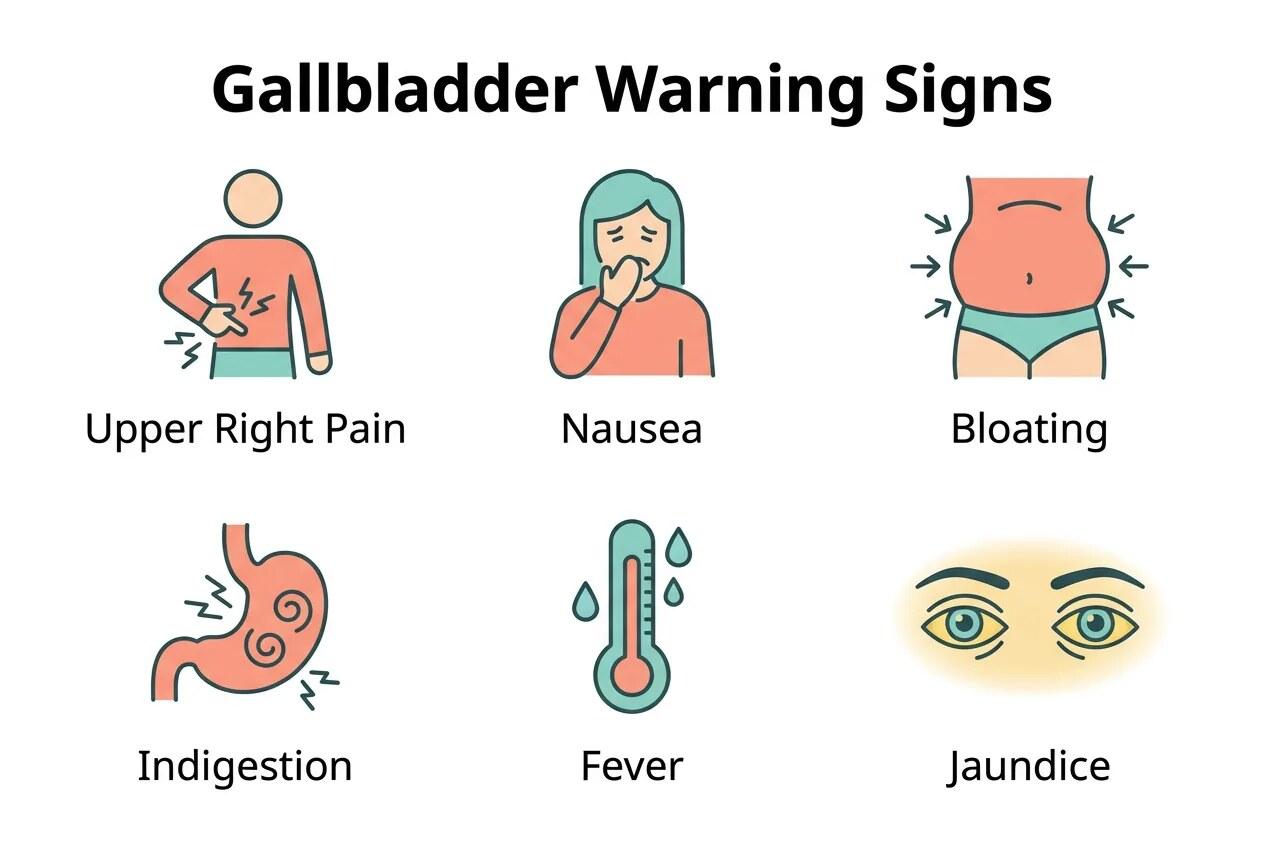
Warning signs of gallbladder disease — consult a surgeon if you experience these symptoms
1Persistent Upper Right Abdominal Pain
One of the most common and recognisable symptoms of gallbladder disease is sharp or cramping pain in the upper right abdomen, often occurring shortly after meals. This pain — sometimes called biliary colic — is typically caused by gallstones temporarily blocking the cystic duct, preventing bile from flowing out of the gallbladder.
- Often triggered by fatty, fried, or heavy meals
- May last from 30 minutes to several hours
- Can radiate to the back, right shoulder, or between the shoulder blades
- Tends to worsen over time with repeated episodes
This is a classic sign of gallstones blocking bile flow. If you experience this pattern of pain, it is important to consult a surgeon for evaluation rather than relying on painkillers to manage symptoms.
2Pain After Eating Fatty Meals
If you consistently feel discomfort, heaviness, or cramping after eating fried, oily, or fatty foods, your gallbladder may not be functioning properly. The gallbladder contracts to release bile when you eat fats, and if gallstones are present, this contraction can push stones against the gallbladder wall or into the cystic duct, causing pain. Symptoms commonly associated with post-meal gallbladder pain include bloating, a feeling of fullness, heaviness in the upper abdomen, and indigestion that does not respond to antacids.
3Nausea and Vomiting
Frequent nausea, especially after meals, can be a significant indicator of gallbladder inflammation (cholecystitis) or gallstone disease. The nausea may be accompanied by vomiting, loss of appetite, or a general feeling of unwellness. Many patients initially attribute these symptoms to food sensitivity or gastritis, which can delay proper diagnosis. When nausea becomes a recurring pattern — particularly in combination with upper abdominal pain — gallbladder evaluation should be considered.
4Chronic Bloating and Gas
Chronic bloating is one of the most commonly overlooked early signs of gallbladder dysfunction. When the gallbladder does not empty properly or gallstones interfere with bile flow, fat digestion becomes impaired, leading to excessive gas production, abdominal distension, and discomfort. Patients often describe feeling "bloated all the time" regardless of what they eat. If standard treatments for bloating (such as dietary changes or antacids) are not providing relief, a gallbladder evaluation may reveal the underlying cause.
5Jaundice (Yellowing of Skin and Eyes)
If gallstones migrate from the gallbladder and block the common bile duct, bile can build up in the bloodstream, causing jaundice — a yellowish discolouration of the skin and the whites of the eyes. Jaundice is a medical emergency that requires immediate evaluation and treatment. It may be accompanied by dark-coloured urine, pale or clay-coloured stools, and itching. This condition indicates that the gallstone has moved beyond the gallbladder and is obstructing the bile drainage system, which can lead to serious liver and pancreatic complications if not treated promptly.
6Fever with Abdominal Pain
The combination of fever and abdominal pain is a concerning sign that may indicate acute cholecystitis — a serious infection and inflammation of the gallbladder. This condition requires immediate medical attention and often leads to urgent surgical intervention. The gallbladder may become swollen, filled with pus, or at risk of perforation. If you develop fever alongside upper right abdominal pain, do not wait — seek emergency medical care immediately. Delayed treatment increases the risk of complications and may require more complex surgery.
7Dark Urine and Pale Stools
Changes in urine colour (becoming dark or tea-coloured) and stool colour (becoming pale, grey, or clay-coloured) can indicate that bile is not reaching the intestines due to a blockage in the bile duct. These changes in bile flow can affect digestion and waste elimination. This symptom is particularly significant when it occurs alongside abdominal pain, nausea, or jaundice, as it suggests bile duct obstruction that may require both endoscopic and surgical intervention.
8Recurrent Gallstone Attacks
Repeated episodes of gallbladder pain — even if each individual episode resolves on its own — are a strong indication that the condition is worsening and that surgical intervention is likely needed. Each gallstone attack increases the risk of complications, including acute cholecystitis, pancreatitis, and bile duct obstruction. Surgery is usually recommended at this stage to prevent a potentially dangerous emergency situation. Many patients who have experienced multiple attacks report feeling significant relief and improved quality of life after laparoscopic gallbladder removal.
9Chronic Indigestion and Acid Reflux
Persistent indigestion, heartburn, or acid reflux that does not respond to standard medications (antacids, proton pump inhibitors) may actually be caused by gallbladder dysfunction rather than a stomach problem. This is one of the most commonly misdiagnosed symptoms of gallbladder disease. Many patients are treated for months or years for "gastritis" or "GERD" before the true cause — gallstones or gallbladder dysfunction — is identified. If your indigestion is not improving with conventional treatment, ask your doctor about gallbladder evaluation.
10Diagnosed Gallstones on Imaging
Even if your symptoms are currently mild, the discovery of large or multiple gallstones on ultrasound or CT scan warrants a surgical consultation. Large stones carry a higher risk of complications, including bile duct obstruction and gallbladder inflammation. Your surgeon can assess the size, number, and position of the gallstones and advise whether watchful waiting or proactive surgical removal is the safer option for you. In many cases, elective surgery under controlled conditions is far preferable to waiting for an emergency.
When Is Gallbladder Surgery Necessary?
Doctors recommend cholecystectomy — the surgical removal of the gallbladder — when the benefits of surgery clearly outweigh the risks of continued observation. The decision to operate is based on a combination of clinical symptoms, imaging findings, laboratory results, and the patient's overall health status. Surgery is typically recommended in the following situations:
Dr. Vanesha Varik takes a thorough, evidence-based approach to gallbladder surgery recommendations. She ensures every patient receives a complete evaluation — including detailed medical history, physical examination, ultrasound imaging, and blood tests — before any surgical decision is made. Patient education and shared decision-making are central to her practice philosophy. To learn more about whether gallstones always require surgery, read our detailed guide on when gallstones need surgery.
Types of Gallbladder Surgery
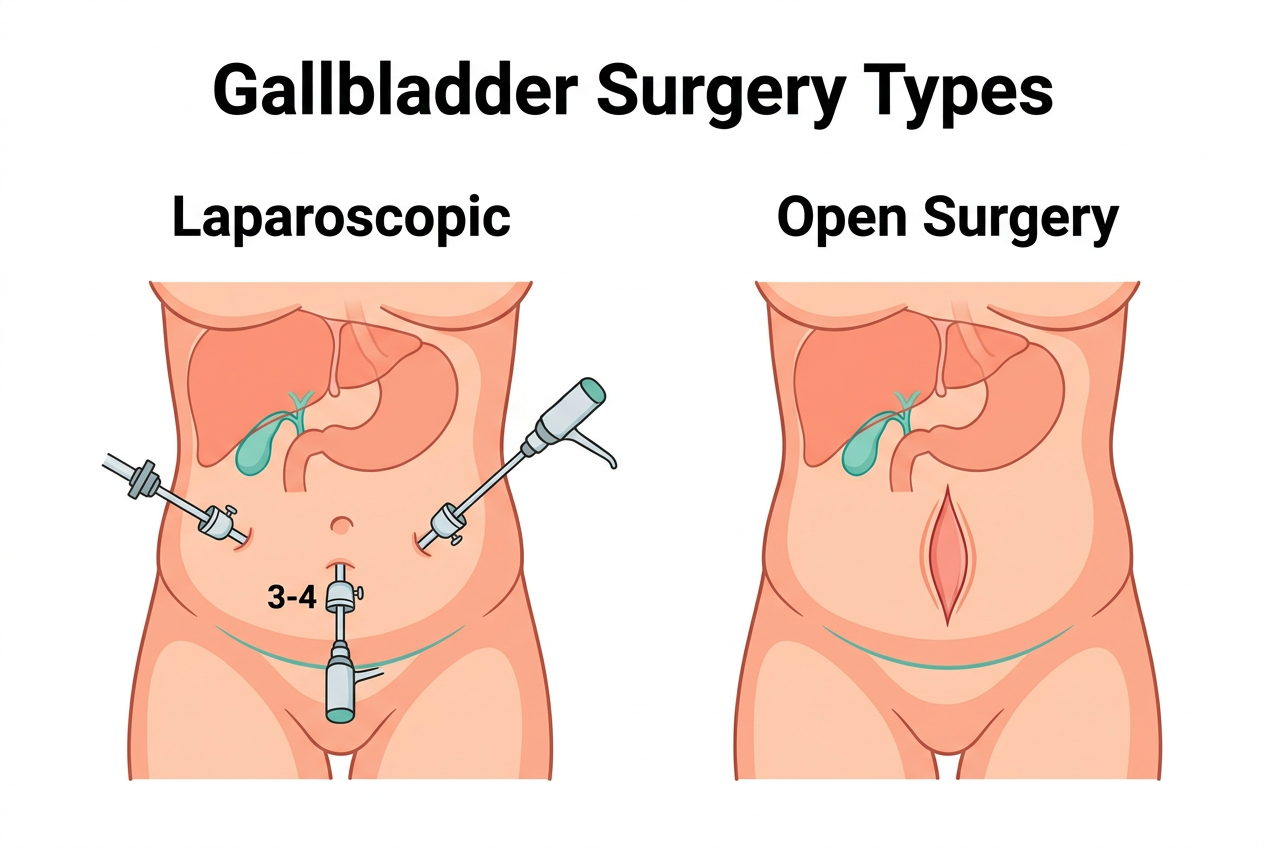
Laparoscopic vs open gallbladder surgery — incision comparison and recovery timeline
Laparoscopic Gallbladder Removal (Preferred Method)
Laparoscopic cholecystectomy is the gold standard for gallbladder removal and is the preferred approach for the vast majority of patients. The procedure is performed through 3–4 small incisions (each 5–10mm) using a high-definition camera and specialised instruments. This minimally invasive approach offers several significant advantages over traditional open surgery:
- Minimal scarring — small incisions heal with barely visible scars
- Faster recovery — most patients resume normal activities within 1–2 weeks
- Less post-operative pain — reduced tissue trauma means less discomfort
- Shorter hospital stay — many patients are discharged the same day or next morning
- Lower infection risk — smaller incisions reduce the risk of wound complications
- Earlier return to work — patients can typically return to desk jobs within a week
Dr. Vanesha Varik has extensive experience performing laparoscopic cholecystectomy and uses advanced surgical techniques to ensure the recommended possible outcomes for every patient. For a detailed comparison, read our article on laparoscopic vs open surgery.
Open Gallbladder Surgery (Reserved for Complex Cases)
Open cholecystectomy involves a larger incision (10–15cm) in the upper abdomen and is reserved for cases where laparoscopic surgery is not feasible. This may include patients with severe inflammation, extensive abdominal adhesions from previous surgeries, or complex anatomical variations. Open surgery requires a longer recovery period (typically 4–6 weeks) and results in a larger scar. However, it remains an important option in the surgeon's toolkit for managing complicated gallbladder cases safely. Understanding the risks and safety of gallbladder surgery can help patients make informed decisions.
Why Choose Dr. Vanesha Varik for Gallbladder Surgery?
Choosing the right surgeon is one of the most important decisions a patient can make when facing gallbladder surgery. Dr. Vanesha Varik is a trusted expert in laparoscopic surgery with a proven track record of successful outcomes and patient satisfaction.
16+ Years Experience
Extensive surgical expertise across multiple specialties
Gold Medal – MS Surgery
Academic excellence in general surgery training
FIAGES Fellowship
Advanced training in laparoscopic techniques
Patient-Focused Care
Personalised consultations and transparent communication
She focuses on patient education, minimally invasive techniques, and safe, effective outcomes. Every patient receives a thorough evaluation and a personalised treatment plan. Her compassionate approach ensures that patients feel comfortable, informed, and confident at every stage of their surgical journey. To learn more about her background and qualifications, visit the About Dr. Vanesha Varik page.
What to Expect Before and After Gallbladder Surgery
Before Surgery
Preparation for gallbladder surgery typically includes the following steps to ensure patient safety and optimal outcomes:
- Ultrasound or imaging scan to confirm the presence, size, and location of gallstones
- Blood tests including liver function tests, complete blood count, and coagulation profile
- Pre-operative consultation with Dr. Vanesha Varik to discuss the procedure, risks, and expected outcomes
- Anaesthesia assessment to evaluate fitness for general anaesthesia
- Fasting instructions — typically no food or drink for 6–8 hours before surgery
- Medication review — adjustment of blood thinners or other medications as needed
After Surgery
Recovery after laparoscopic gallbladder surgery is typically smooth and straightforward. Here is what most patients can expect:
- Same-day or next-day discharge — most patients go home within 24 hours
- Mild discomfort managed with simple pain medication for 3–5 days
- Resume light activities within 3–5 days, including walking and light household tasks
- Return to work — desk jobs within 5–7 days, physical jobs within 2–3 weeks
- Minimal scarring — small incision marks that fade over time
- Follow-up appointment within 1–2 weeks to check healing and remove any stitches
For detailed post-operative dietary advice, read our comprehensive guide on gallbladder surgery recovery and diet. For long-term lifestyle expectations, explore our article on life after gallbladder removal.
Risks of Delaying Gallbladder Treatment
Ignoring gallbladder symptoms or postponing surgical consultation can lead to serious and potentially life-threatening complications. It is important to understand the risks of delayed treatment:
Warning: Complications of Delayed Treatment
- Gallbladder rupture or perforation — a surgical emergency
- Severe infection (empyema) — pus accumulation in the gallbladder
- Acute pancreatitis — inflammation of the pancreas due to bile duct stones
- Bile duct obstruction — leading to jaundice and liver damage
- Gallstone ileus — intestinal obstruction caused by a large gallstone
- Sepsis — life-threatening systemic infection requiring intensive care
Early diagnosis and timely elective surgery under controlled conditions are always safer, more predictable, and result in better outcomes compared to emergency surgery performed when complications have already developed. If you are experiencing any of the warning signs described in this article, schedule a consultation with Dr. Vanesha Varik to discuss your options.
Female Surgeon in Dubai: Why It Matters
Many patients, especially women, prefer consulting a female laparoscopic surgeon in Dubai for sensitive health concerns. In a culturally diverse city like Dubai, patient comfort plays a crucial role in healthcare decisions. Having access to a skilled female surgeon allows patients to feel more at ease, particularly when discussing personal health issues or undergoing physical examinations.
Benefits of choosing a female surgeon include better communication and comfort during consultations, increased privacy and confidence, personalised understanding of women's health issues, and a more empathetic approach to patient care. Dr. Vanesha Varik bridges this gap by combining clinical excellence with compassionate, patient-centred care. Her approach ensures that every patient feels heard, respected, and well-informed throughout their treatment journey.
Related Surgical Services
Gallbladder Surgery
Expert laparoscopic cholecystectomy in Dubai
Learn MoreLaparoscopic Surgery
Minimally invasive surgical techniques
Learn MoreHernia Surgery
Laparoscopic and open hernia repair
Learn MoreAppendix Surgery
Emergency and elective appendectomy
Learn MoreBreast Surgery
Expert breast care and surgery
Learn MoreThyroid Surgery
Thyroid and parathyroid surgery
Learn More